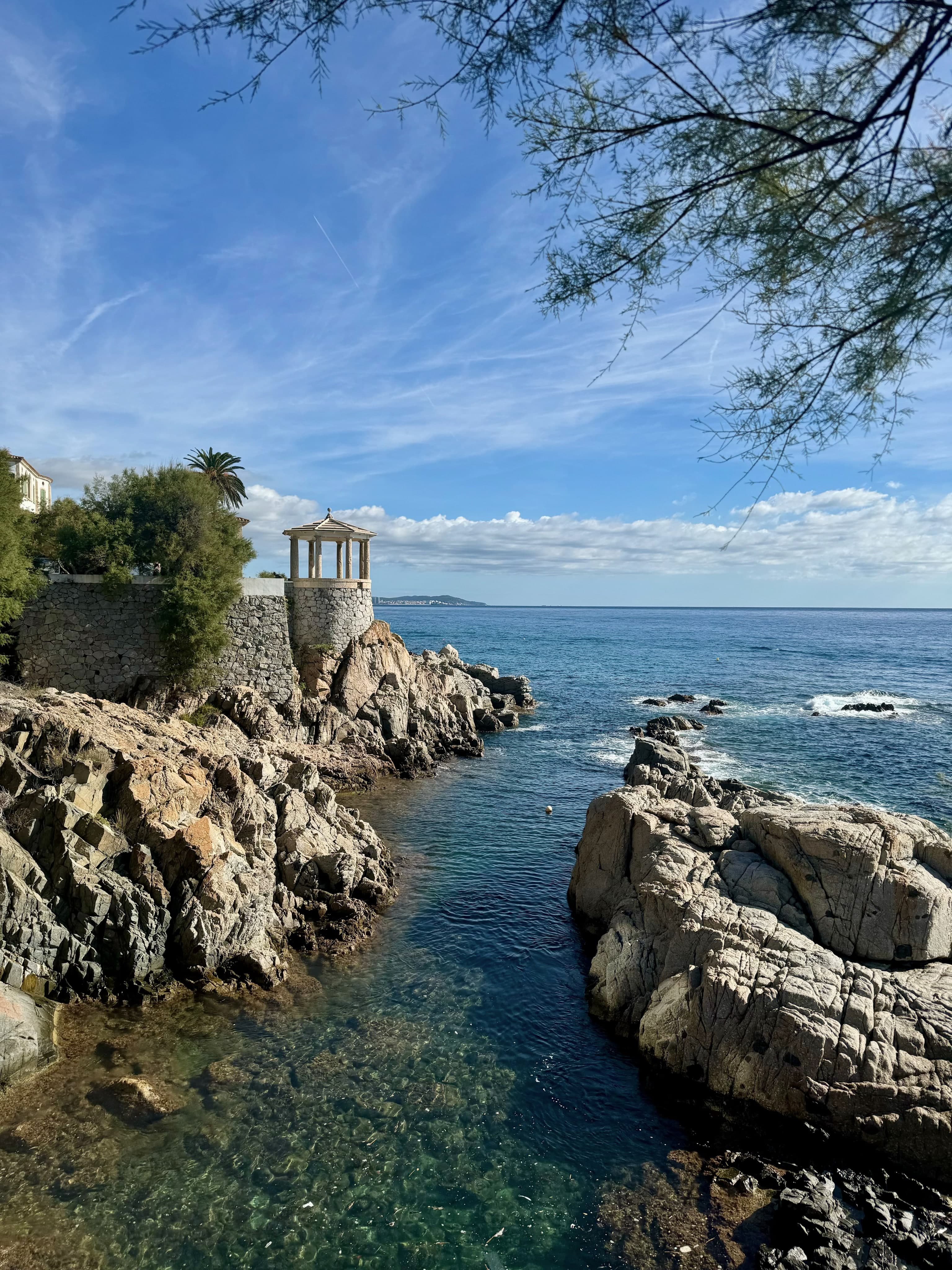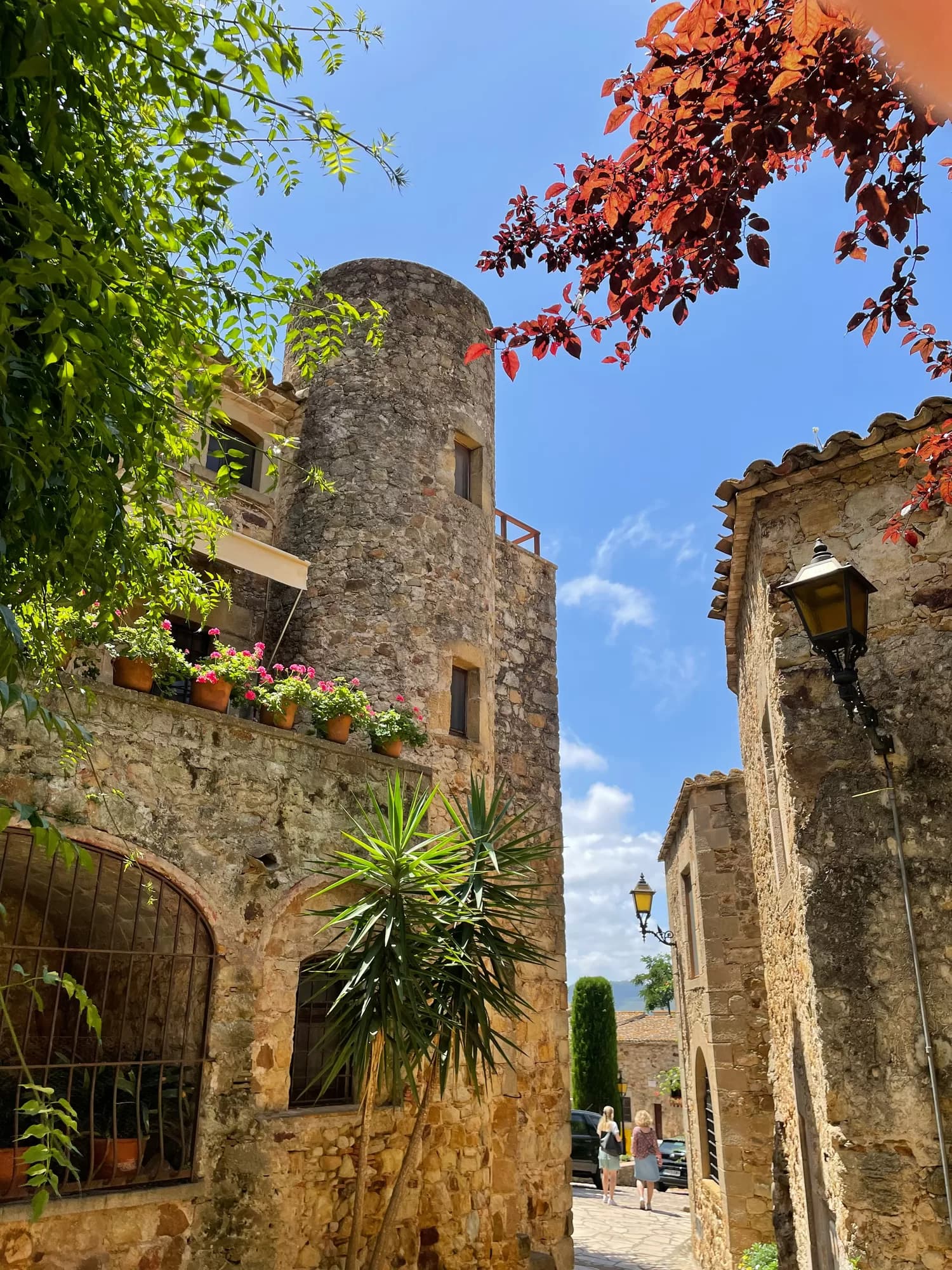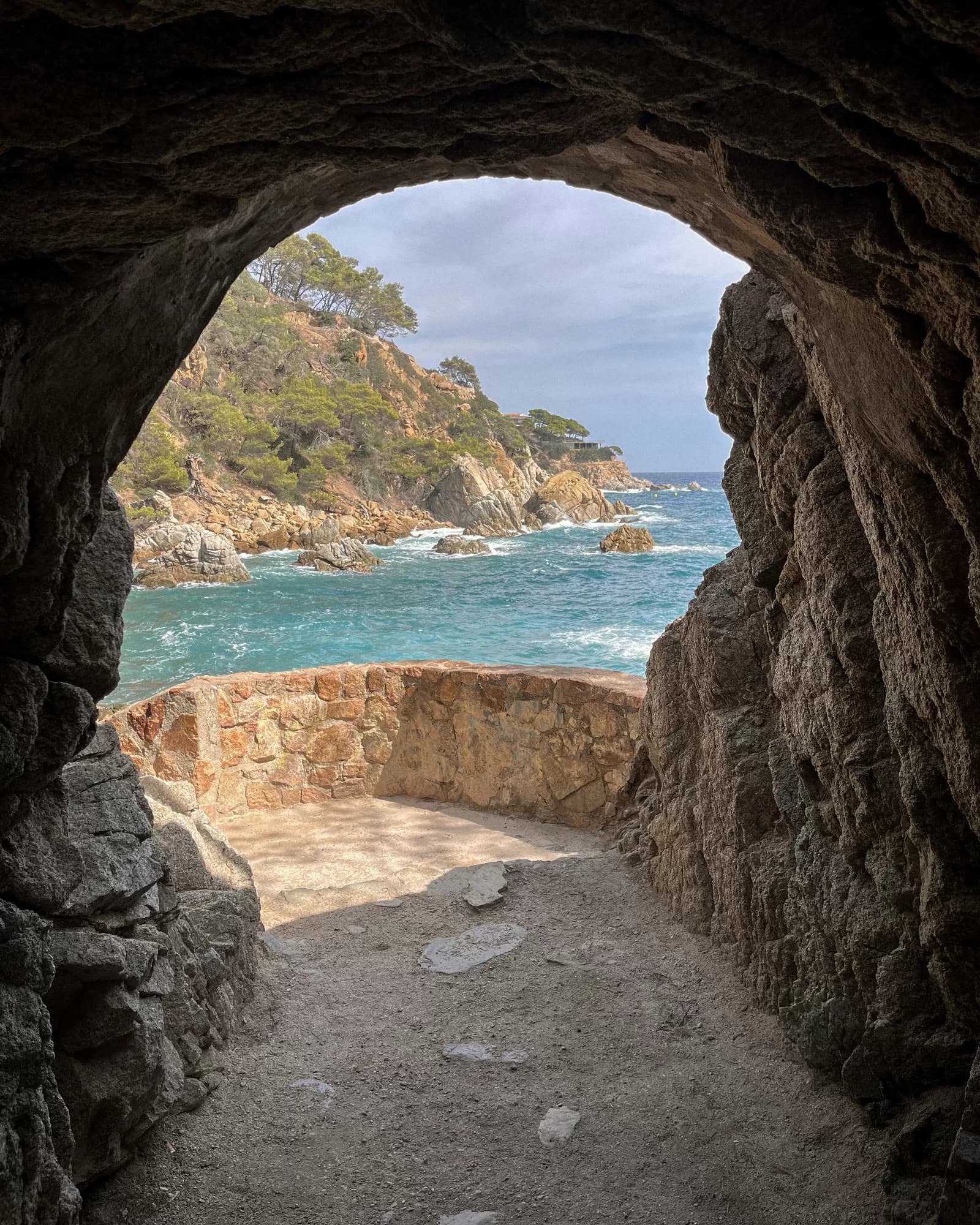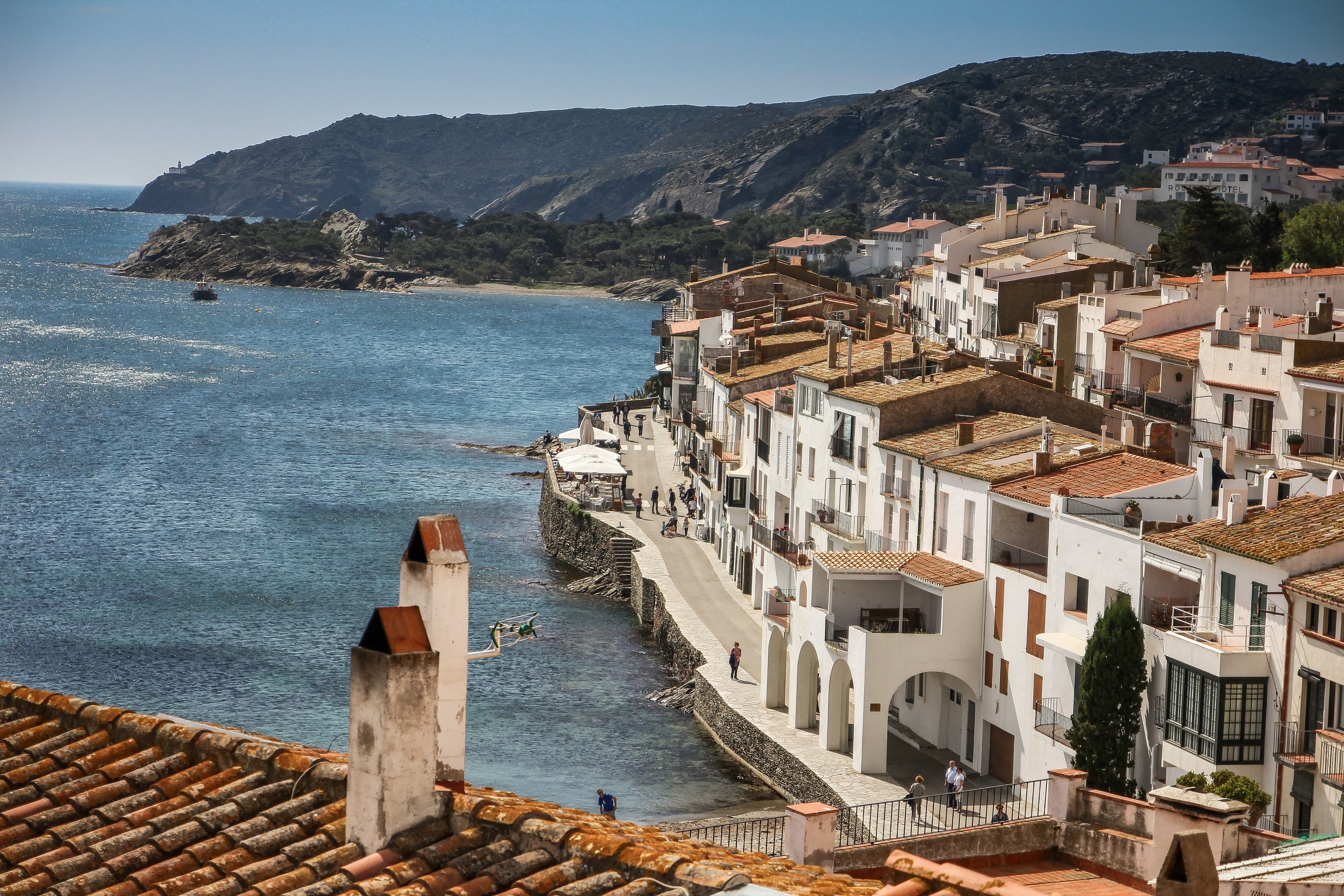
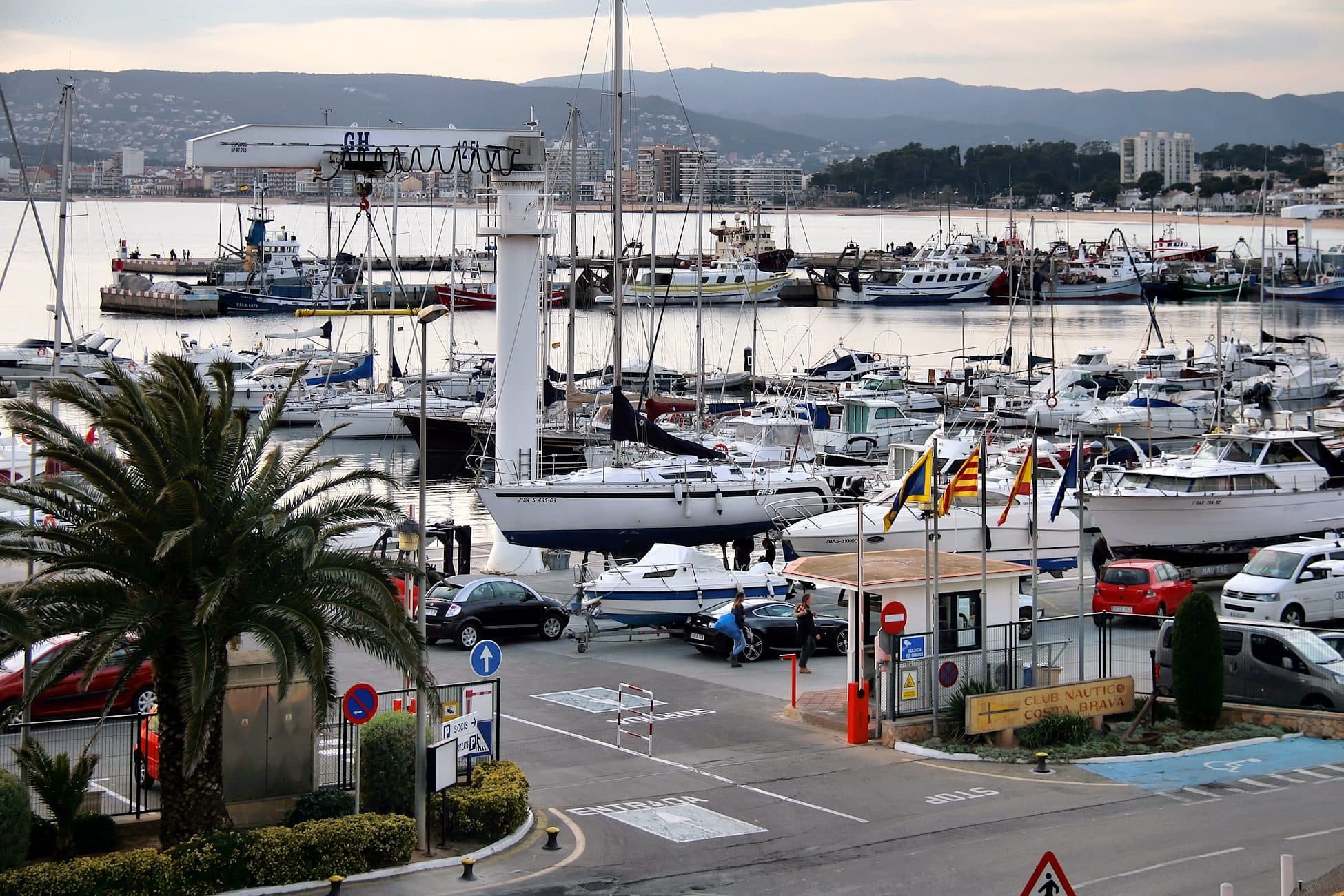
Palamós isn't just a beach or a pretty seafront promenade. It's a town that beats to the rhythm of the sea — fishing tradition, stories of boats and nets, a market, and stretches of coast that seem to have stood still for decades. Visit without hurrying and you'll find its charm lies as much in what's visible as in what runs underneath: a deep seafaring identity, stone and pine, paths leading to calas that look like photographs from another era. Below, five essential stops in Palamós, for discovering its soul as a fishing town, its quieter coastline, and the corners that stay with you.
The Museu de la Pesca
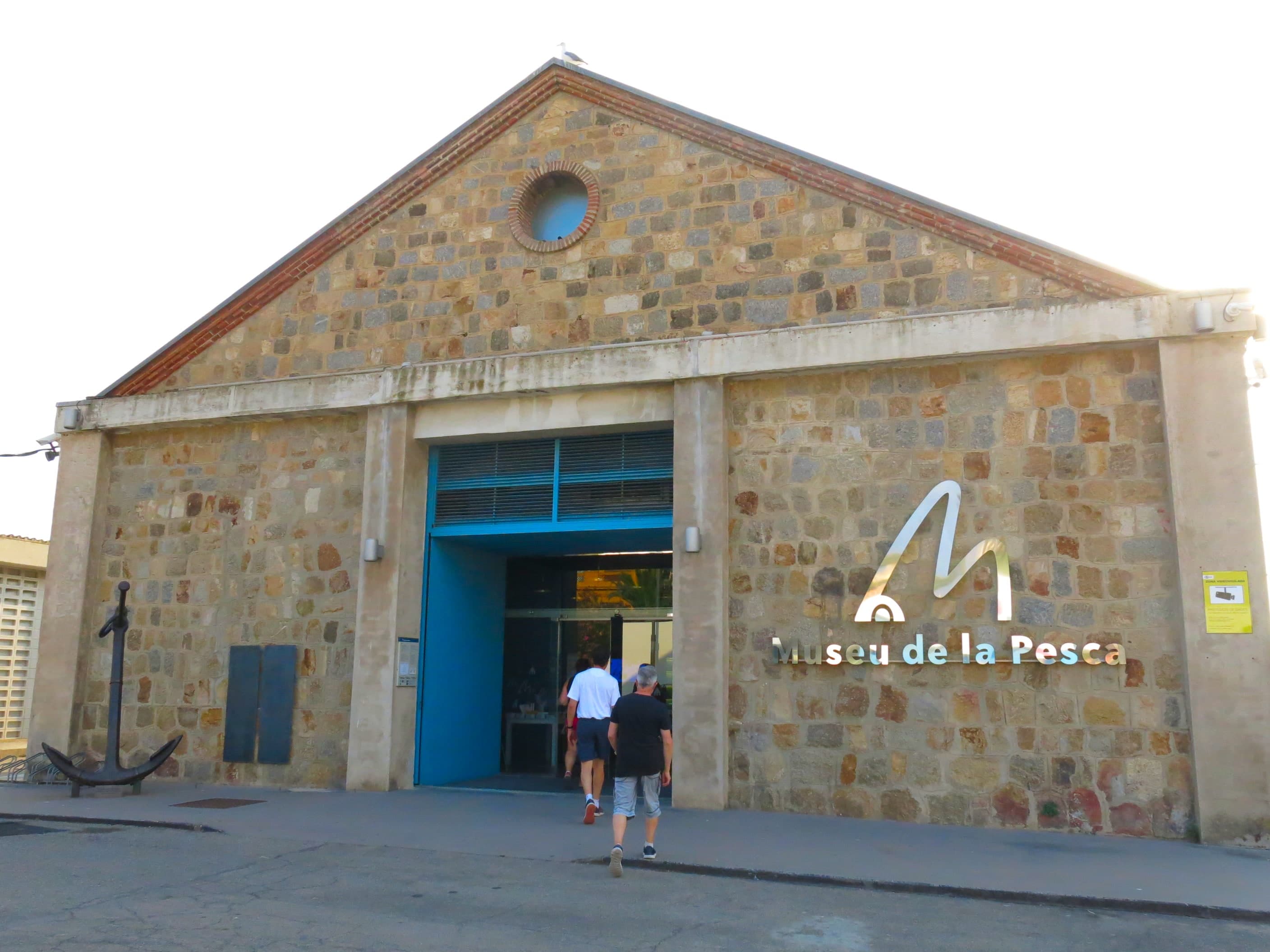
Set in the port of Palamós, the Museu de la Pesca occupies a former harbour warehouse fitted out to trace the relationship between people and the sea: traditional fishing techniques, the boats themselves, the gear, how fish is handled, and the cuisine built around whatever came in that day.
What many visitors point out is that this isn't a passive museum: there are guided visits, workshops, live cooking demonstrations with fish straight from the market, and the chance to watch how it travels from sea to museum to plate within hours. If you want to understand Palamós beyond its beach, this is where you'll find the roots.
The fish market
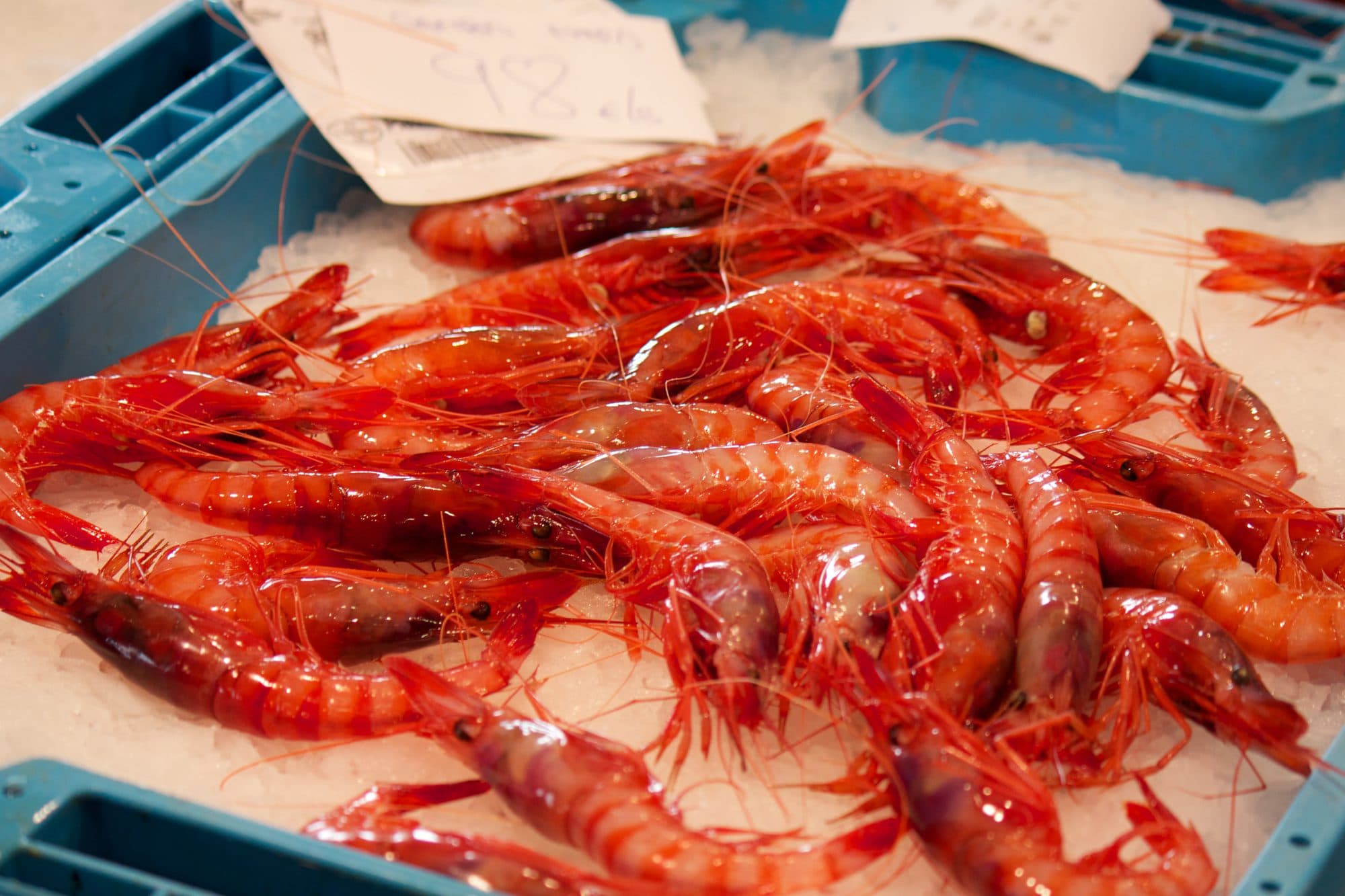
Right beside the harbour sits the lonja, the fish market where each day's catch arrives, is landed, sorted and auctioned. It's the real thing: boats coming and going, the buzz of the market, the smell of sea and ice, and the red prawn this stretch of coast is famous for.
Regulars often mention it as one of the most genuine things to do in Palamós: "seeing how the port works before the tourists arrive" is a phrase you'll hear again and again. It's also a treat for anyone who loves food, since it connects the visit directly to the freshest catch there is.
The Barri Vell
Palamós's old quarter keeps that seaside-town feel so many people come looking for: low painted houses, balconies facing the harbour, alleys climbing and dropping with a background smell of salt and paella marinera. Perfect for wandering without a plan.
Visitors tend to say this is the part of town that feels most like Palamós: less set up for tourists, more for locals, cafés where the conversation runs in Catalan and the pace stays unhurried.
The path to Cala Margarida and Cala S'Alguer
From the harbour, a path leads out toward Cala Margarida, then on past La Fosca beach, finally reaching Cala S'Alguer, a cluster of fishermen's cottages that look pulled from another century.
Cala S'Alguer has been declared a site of cultural interest; its whitewashed houses, the boats drawn up on the shore, the pine leaning over the water — everything here says calm. Getting there and simply staying still for a while is an experience in itself.
The Palamós lighthouse
The Palamós lighthouse is modest, but it stands at a point that takes in the harbour, the beach and the sea opening toward the horizon. The climb up is easy, and the view from the top is one of the most valued in the area by anyone after a memorable panorama.
At sunset, sitting facing the water, you'll watch the boats light up, the nets get stacked, and the light shift within minutes. Plenty of travellers call it one of the best moments of the day in Palamós.
Palamós, the seafaring soul of the Costa Brava
To visit Palamós is to rediscover the Costa Brava at its most genuine. Here, tourism sits alongside tradition, and every corner has something to say. From the living culture of the fish market and the museum to the stillness of Cala S'Alguer or the view from the lighthouse, the town offers a real balance of history, landscape and Mediterranean life.
In Palamós, the sea isn't a backdrop. It's the main character. And its people are the keepers of an identity that has weathered time without losing what makes it itself.
Frequently asked questions
What time is best to see the Palamós fish auction in person?
The most interesting activity usually starts between 4pm and 5pm, when the boats come in and the harbour apron gets busy. The auction itself generally runs mid-to-late afternoon, and visitors can watch from the designated areas. Going before 4pm doesn't add much, and after 6pm things have already quieted down. Locals suggest arriving with time to see the whole process: landing → sorting → auction.
Can you go inside the fishermen's cottages at Cala S'Alguer, or only see them from the path?
You can't go in — they're private property, and several are still used by local families. What you can do is photograph them from the path and from the beach area, where you get a good look at their authentic eighteenth-century architecture. Access is open, but full respect is expected: don't sit in doorways, don't move boats or ropes, and don't treat private areas as if they were public.
Is the Museu de la Pesca suitable for children, or is it too technical?
It's very family-friendly. The Museu de la Pesca includes models, audiovisual displays, demonstrations and objects that children understand and enjoy. The workshops and cooking demonstrations are especially popular with families, since they let kids see fresh fish from the market and learn in a hands-on way. Many visitors rate it as one of the liveliest museums on the Costa Brava.
Is the path to Cala Margarida and Cala S'Alguer difficult, or can you walk it in ordinary trainers?
It's easy and perfectly manageable in comfortable walking shoes — no hiking boots needed. The trail crosses some rocky and root-covered stretches, but it's short and accessible even for people with no hiking experience. The main advice from locals: avoid it right after rain, since some of the stones can get slippery.
Where are the best sunset viewpoints in Palamós without the crowds?
The Palamós lighthouse is the best-known spot, but travellers after some quiet recommend two others: the Morro del Vedell lookout, right by the fishing harbour, and the raised stretch of path toward La Fosca, just before Cala Margarida. Both are more discreet, with fewer people and wide views over the sea and the harbour. The light at sunset is ideal, and neither fills up the way the lighthouse does.