In this article▾
- Peratallada — medieval, cobbled, and genuinely charming
- Monells — a film set frozen in time
- Madremanya — small, beautiful, its walls still standing
- Sant Martí d'Empúries — history and sea in a tiny corner
- Pals — in the heart of the Empordanet, a medieval tower standing guard
- Calella de Palafrugell — a fishing town with iconic charm
- Cadaqués — seafaring tradition, white lanes and Dalí's legacy
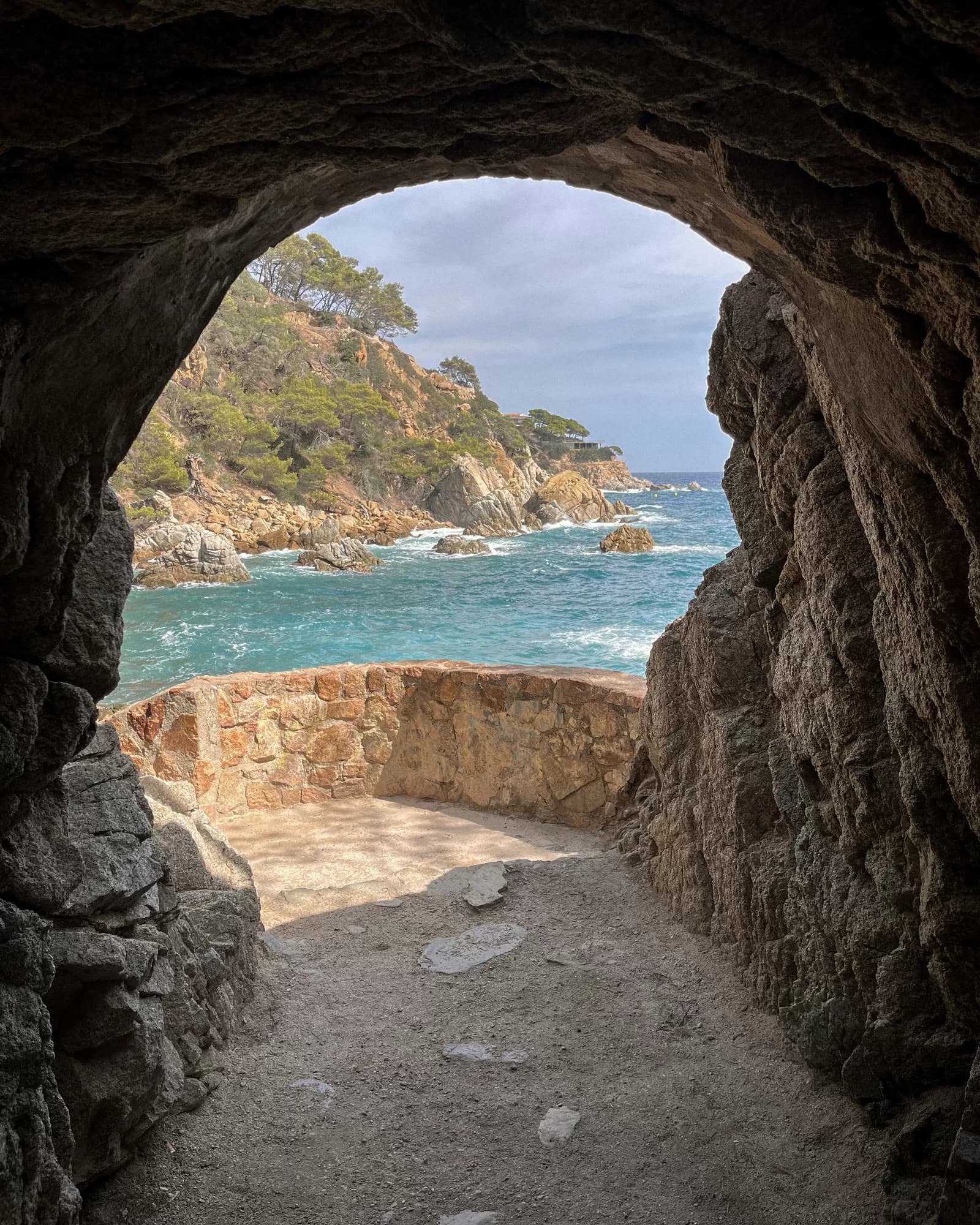
The Costa Brava — the name literally means "wild coast" — runs for roughly 200 km through the northeast of Catalonia, from Blanes to the French border at Portbou. This coastline is a study in contrast: sheer cliffs above a deep blue sea, calas tucked into the rock, pine woods reaching almost to the shore, and towns whose stones hold centuries of history. But the Costa Brava isn't only landscape — it's also legacy. From Greek and Roman remains to the flowering of medieval towns, this region has been settled and explored across generations. Today it's an established destination that draws more than 8.5 million visitors a year and over 28 million overnight stays — a figure that reveals both its popularity and the challenge of holding on to what makes it authentic. In some of the quietest, most genuine corners of the Baix Empordà and Alt Empordà lie some of the most enchanting towns on the Costa Brava: places that have kept their essence intact, where you can feel time pass differently, wander without hurrying, and sense the connection between sea, stone and tradition. Below, seven of those towns — small treasures where history, architecture and Mediterranean atmosphere meet.
Peratallada — medieval, cobbled, and genuinely charming
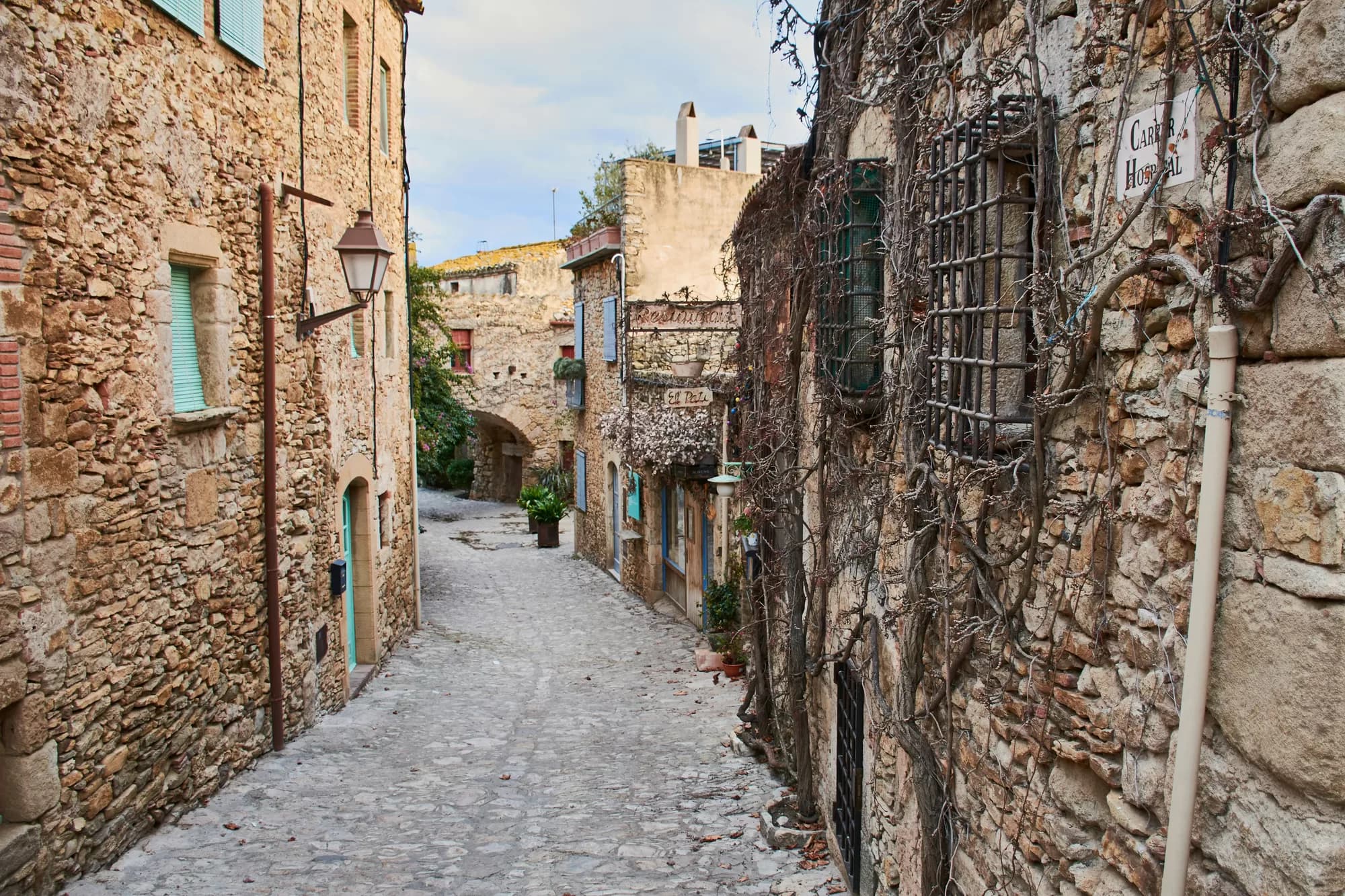
Deep in the heart of the Baix Empordà, Peratallada stands as one of the most evocative towns on the Costa Brava. Its name comes from the Latin petra tallata — carved stone — a nod to the hewn rock that shapes its every corner.
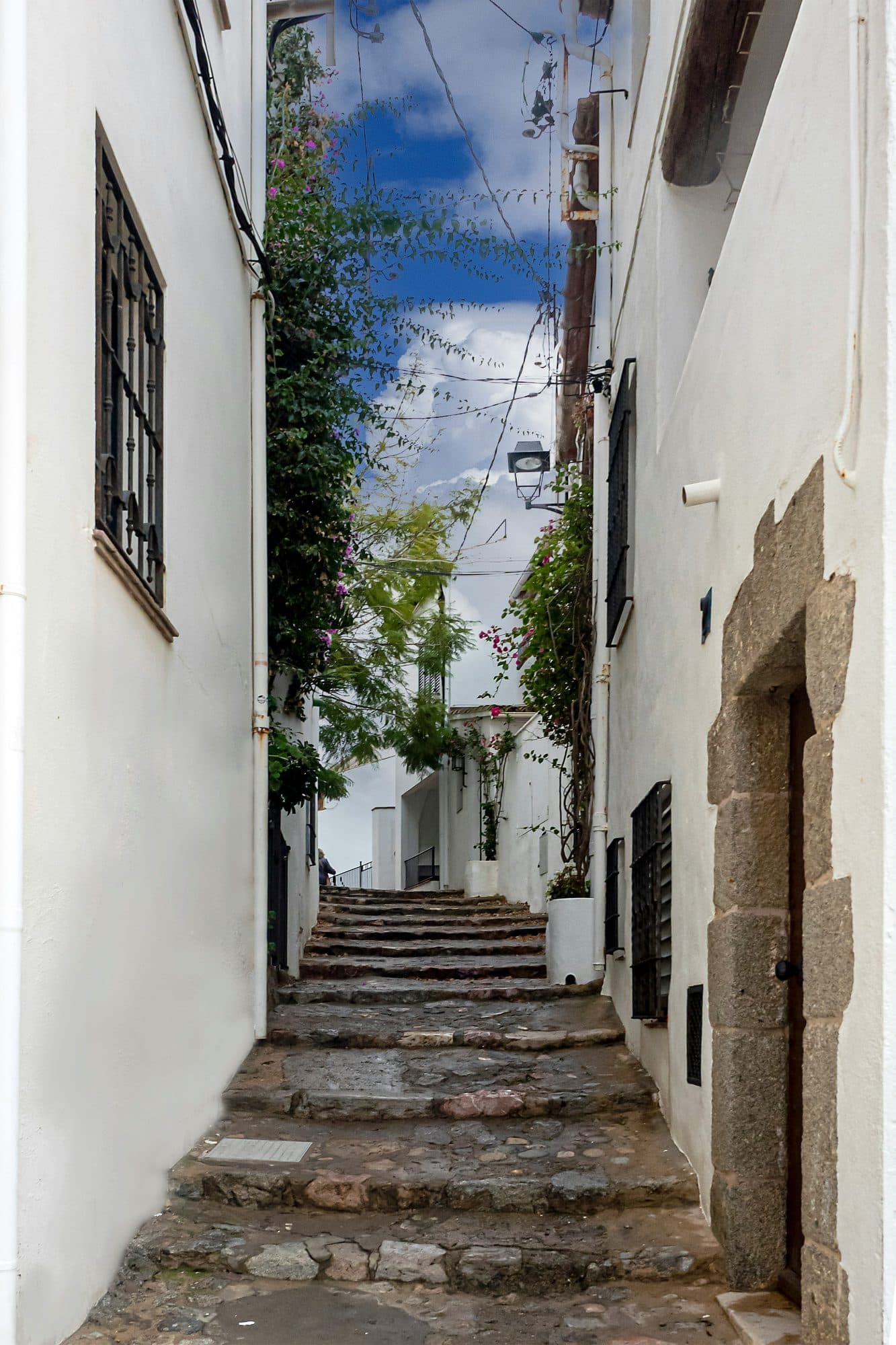
The lanes are cobbled, the stone houses keep their old doors and windows, and a watchtower and stretches of wall still trace the perimeter of the original settlement. Unlike busier destinations nearby, Peratallada offers a quieter mood, ideal for wandering without hurry, sitting in a square with a drink, and taking in a sense of history that's still very much alive.
Monells — a film set frozen in time
Monells is a small treasure tucked into the Baix Empordà. It served as a location for the film 8 apellidos catalanes, and that's turned it into something of a film-set town, with its arcades, its arcaded square and streets that seem to have stopped somewhere in another era.
The town sits within the natural landscape of Les Gavarres, which gives it a strong rural feel, and its compact layout invites you to wander without a plan and stumble on hidden corners. Visiting Monells feels like stepping backward — you can feel the calm, the tradition, the authenticity, far from mass tourism.
Madremanya — small, beautiful, its walls still standing
Madremanya is one of those towns that seem pulled from a medieval dream. Set in the Gironès comarca, it keeps its rural, medieval character intact, with details that win visitors over: narrow streets, the church of Sant Esteve, stretches of old wall, and houses that breathe history.
Sitting at the foot of the Gavarres massif, it also offers a fine natural setting, ideal for combining town, quiet and nature in one visit. It's a perfect destination for anyone after a small town full of charm, without the crowds.
Sant Martí d'Empúries — history and sea in a tiny corner
This small settlement, part of L'Escala, holds a substantial history. It was once the capital of the Comtat d'Empúries, and it sits on a rocky rise that was once surrounded by water on nearly every side. The village keeps its medieval layout almost entirely intact.
A handful of streets, a main square looking out to sea, and the calm this place carries make it a corner built for quiet contemplation — ideal for anyone after sea, history and stillness in one unhurried visit.
Pals — in the heart of the Empordanet, a medieval tower standing guard
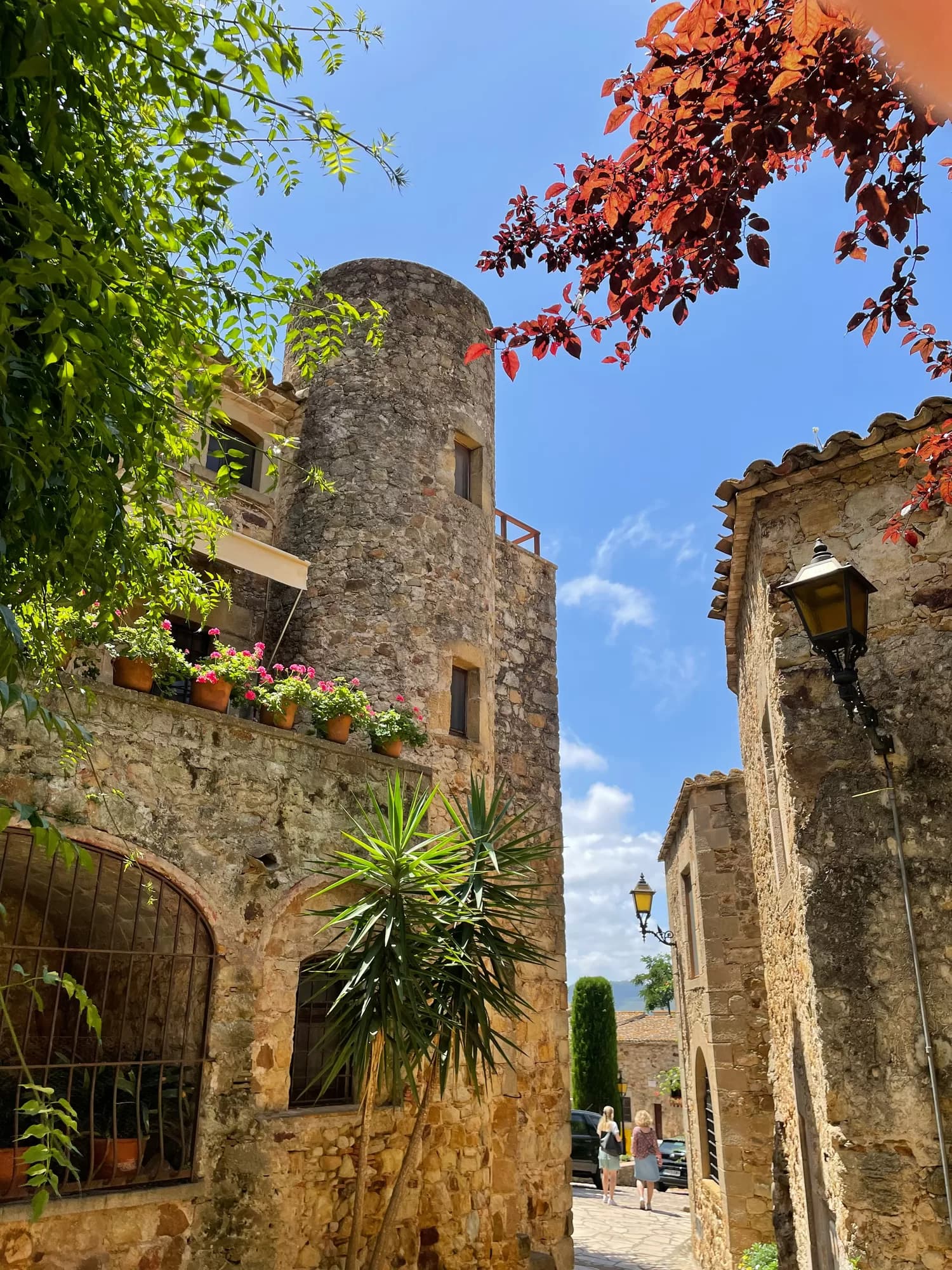
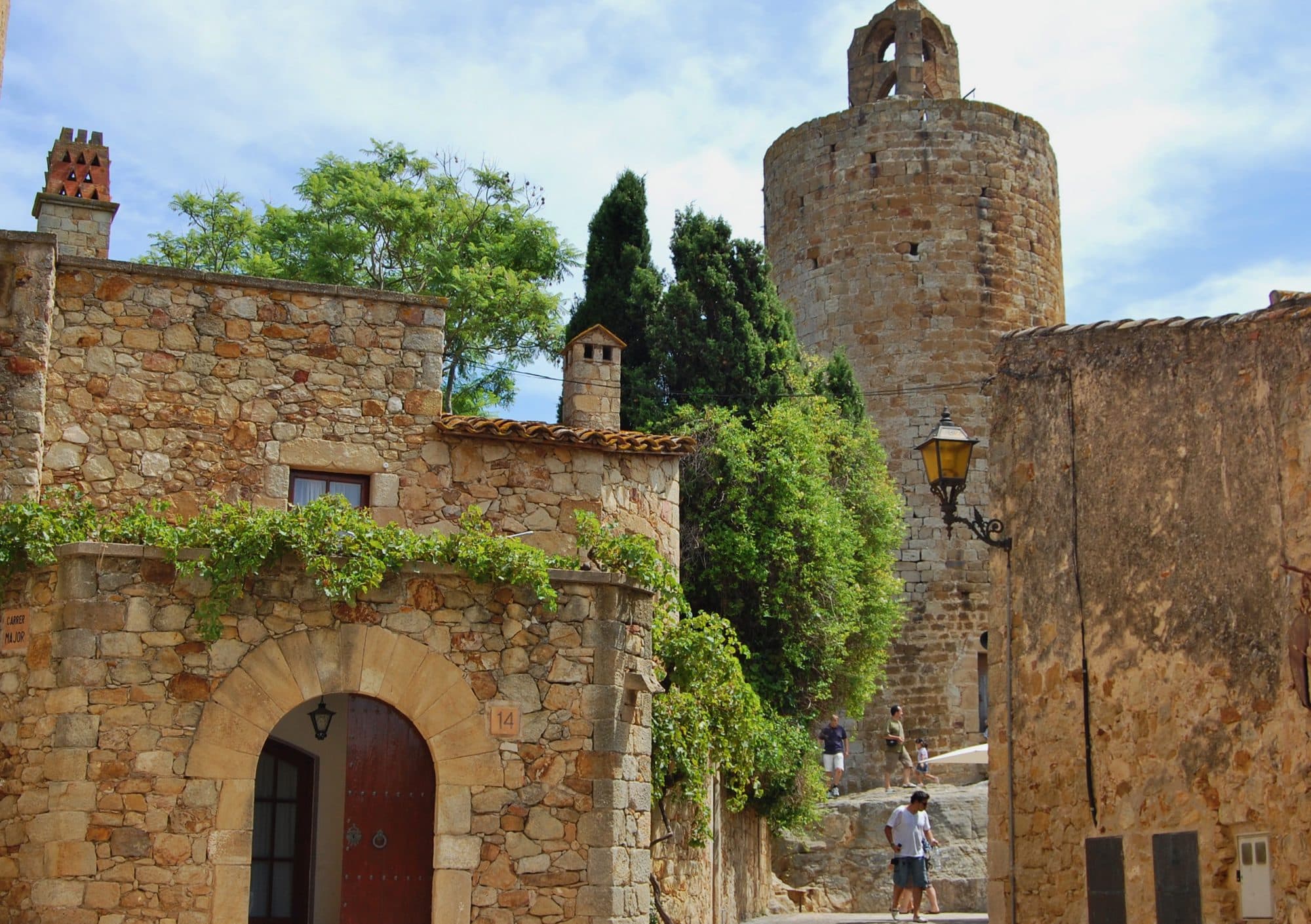
Pals brings together two forces: a strategic position at the heart of the Empordanet, and a medieval core that has been carefully preserved. Cobbled streets, the Torre de les Hores, remnants of the old walls, and the golden stone of its buildings all speak of a strong sense of history.
The rice paddies that surround Pals add an unusual landscape feature for the Costa Brava. It's a fine choice for anyone after a town rich in history, well set up for visitors without having lost what makes it itself.
Calella de Palafrugell — a fishing town with iconic charm
Calella de Palafrugell is one of the defining images of the Costa Brava: white houses facing the sea, narrow streets running down to calas, a seafront promenade, and a fishing-town atmosphere that's still very much alive.
The town has kept its character as a fishing village and largely avoided the sprawl of big hotels, which only makes it more appealing for a relaxed getaway. If you're after sea, a good walk and an unhurried pace, Calella is a safe bet — and its food deserves its own chapter: read where to eat in Calella de Palafrugell.
Cadaqués — seafaring tradition, white lanes and Dalí's legacy
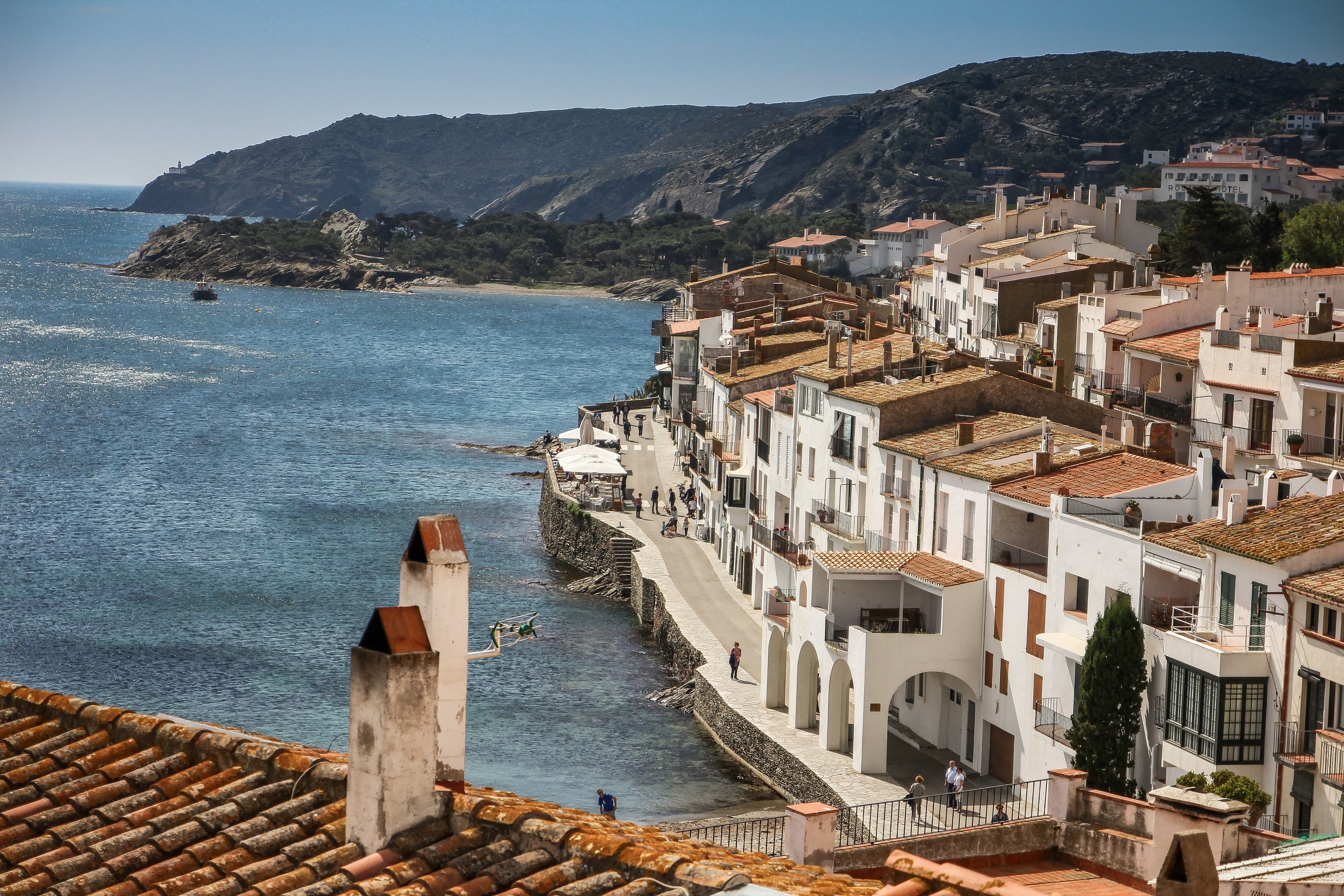
Cadaqués sits on the Cap de Creus peninsula, and it's one of those towns whose beauty and character have drawn artists and travellers alike for generations. Whitewashed houses, lanes climbing and dropping, the sea always somewhere behind you, and the unavoidable presence of Salvador Dalí's name.
Though it's well known, Cadaqués keeps something special about it: a mix of sea, history, art and nature. It's a place that rewards patience. Cadaqués is the kind of Mediterranean that doesn't give itself away easily — it's discovered step by step, and it repays whoever goes looking.
Frequently asked questions
Which is the most picturesque town in inland Empordà?
Monells and Madremanya capture the essence of inland Empordà perfectly: cobbled streets, golden stone houses and a quiet atmosphere where time seems to have stopped. Walking through them feels like travelling back centuries.
Which coastal towns have kept their original charm?
If you're after sea and authenticity, Calella de Palafrugell is the most iconic fishing town on the Costa Brava: white houses, boats on the sand, narrow streets by the Mediterranean. Cadaqués also keeps its essence intact, with whitewashed façades and a distinctive artistic mood.
Is it possible to visit Peratallada, Monells and Pals in a single day?
Yes, since they sit very close together — under 15 minutes apart by car. That said, if you want to enjoy each town properly, it's best to give half a day to Peratallada and split the rest between Monells and Pals. Many travellers suggest starting early in Peratallada to get ahead of the tour groups.
Where can I park in Peratallada or Monells without trouble?
Cars can't enter Peratallada's old town, and in high season the main car park at the entrance fills up quickly. The usual advice is to arrive before 10am or after 6pm. In Monells, the car park at the north entrance is generally the easiest to find free, and it's well signposted.
Does Calella de Palafrugell still keep its character, or has it become too crowded?
Calella keeps its charm, especially outside July and August. High season does bring more visitors, but it remains a well-kept town, with no big hotels and a genuine fishing atmosphere. Early morning or sunset are the best times to visit.
Do you need a car to see the most beautiful towns on the Costa Brava?
Technically some towns can be reached by bus, but in practice most travellers recommend a car, especially for linking smaller towns like Madremanya or Sant Martí d'Empúries, where public transport runs infrequently.
Is Cadaqués worth it despite the winding drive to get there?
Yes. Most people say the drive is tiring but the reward makes up for it. Cadaqués is one of the most loved towns on the Costa Brava, and its remoteness is exactly what's allowed it to keep its authentic character. The general advice is to avoid the road at peak times and park in the lots at the edge of town.
What's Salvador Dalí's connection to the Costa Brava?
The painter Salvador Dalí was born in Figueres and spent much of his life in Cadaqués, where he built his house at Portlligat, now a museum. He also designed his famous Teatre-Museu Dalí in Figueres and the Castell de Púbol, dedicated to Gala. Visiting all three makes up what's known as the Dalí Triangle.