PuraCostaBrava
ES
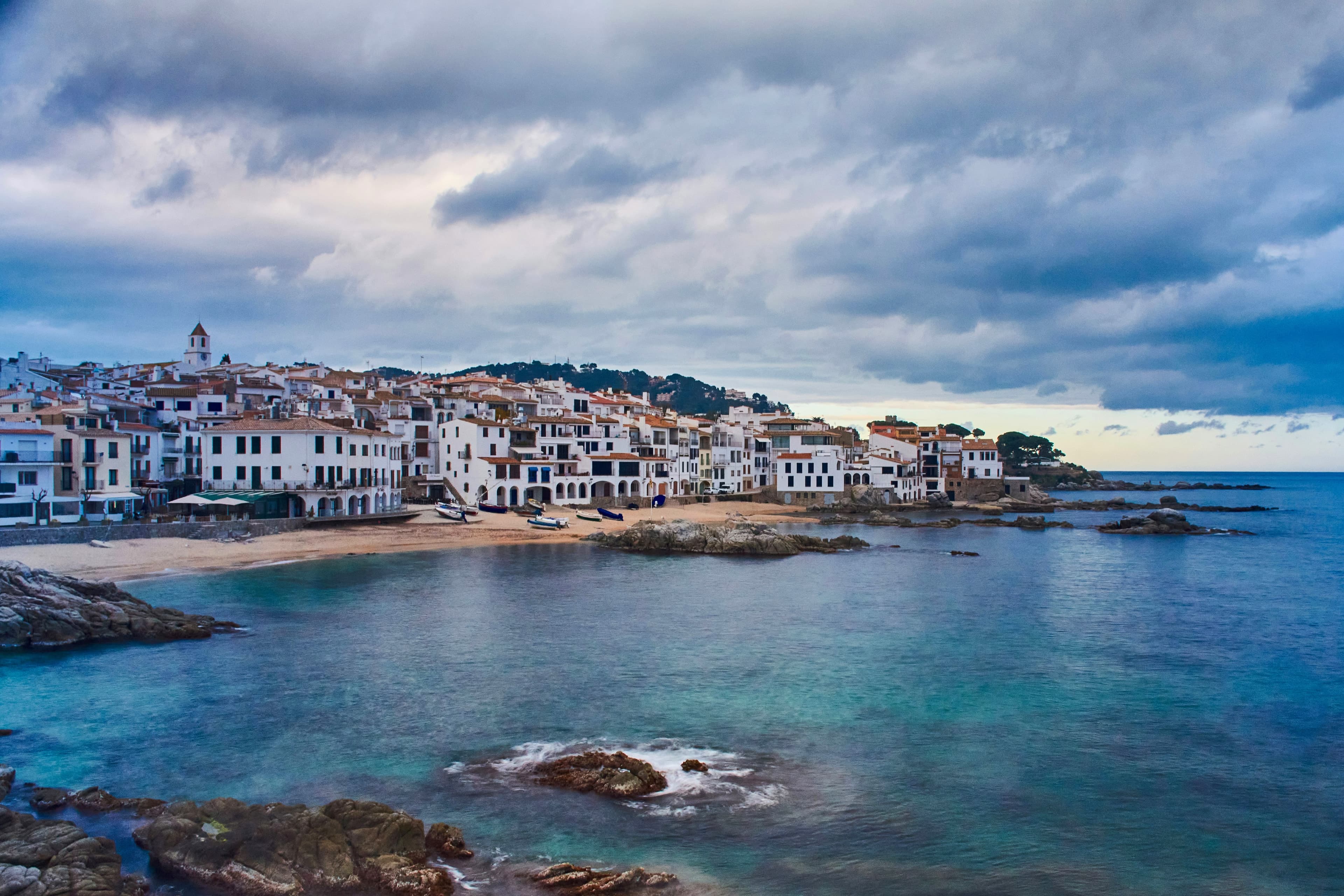
The white town of Calella de Palafrugell and its cala under an overcast sky at dusk, turquoise sea and rocks in the foreground

Baix Empordà

Calella de Palafrugell

Calella de Palafrugell is probably the most recognizable image of the whole Costa Brava. White houses, les Voltes of Port Bo, boats drawn up on the sand, the Mediterranean woven into the town's daily life — it turns up in thousands of photographs every summer. And yet that postcard only tells part of the story: the real Calella shows itself once you step a few meters off the main promenade, walk the Camí de Ronda without hurrying, or come back at dusk, when the terraces start to empty and the town settles back into the unhurried pace it always kept. Because before it became one of the great icons of the Mediterranean, Calella was — and still is — a fishing village.

Port Bo and les Voltes

There's no more recognizable image on the Costa Brava. The white arches of les Voltes, built to shelter boats and fishing gear from the sun, open directly onto Port Bo beach and form one of the loveliest ensembles on the Mediterranean.

Our advice is simple: come back at night. Once most visitors have gone and only the sound of the sea remains, les Voltes recover the atmosphere they were built for, centuries ago.
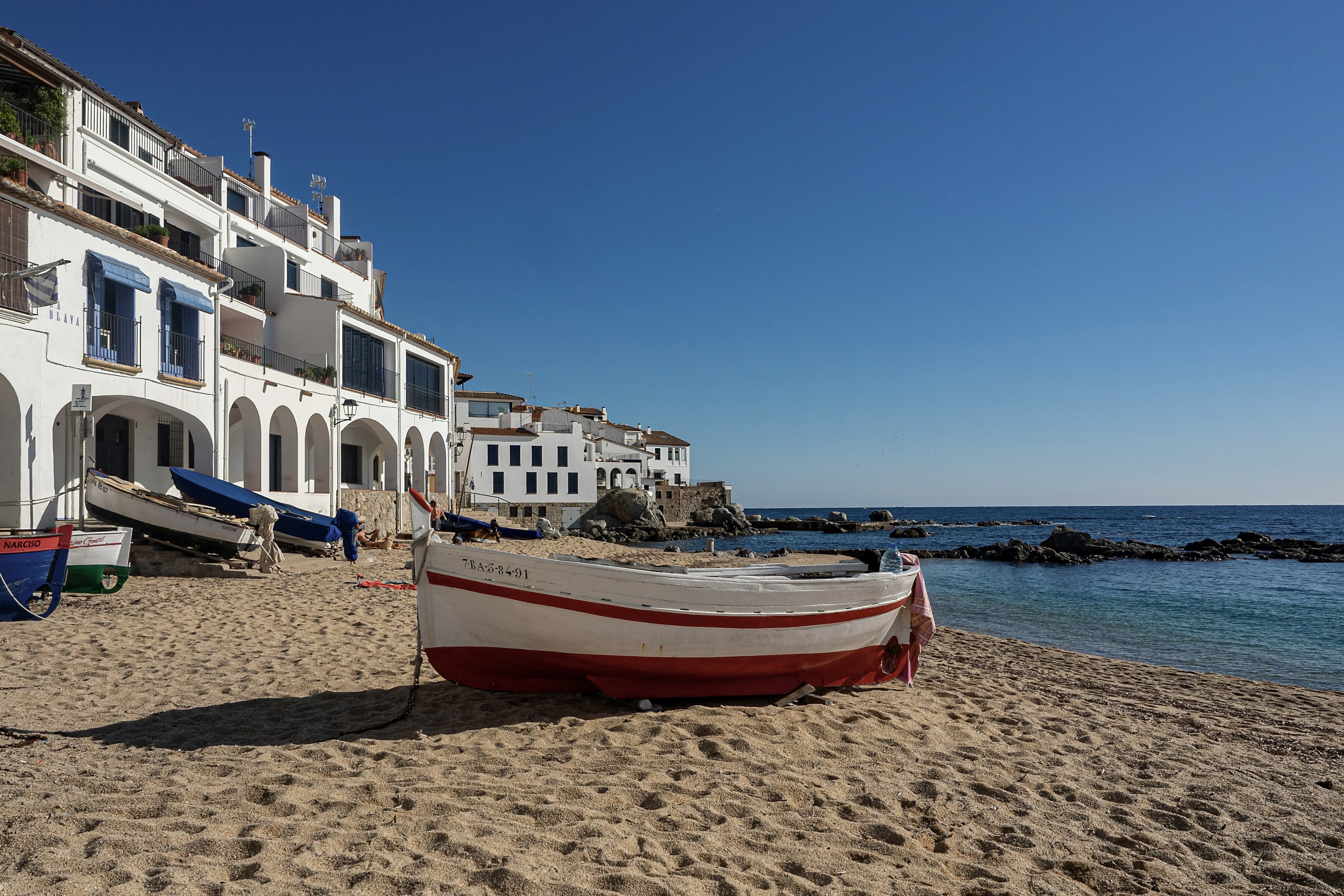
The white voltes of Port Bo open onto Calella de Palafrugell's beach, with a fishing boat drawn up on the sand
Les Voltes of Port Bo, the town's white porch, opening straight onto the sea.

The Cantada d'Havaneres

Every first Saturday of July, Port Bo transforms. Thousands gather facing the sea to listen to the traditional havaneres while ron cremat — burnt rum, mixed and set alight — passes from hand to hand. This isn't a show staged for tourists: it's one of Catalonia's most important seafaring traditions, and one of the nights with the most character anywhere on the Costa Brava.

If you want to be there, arrive several hours early.
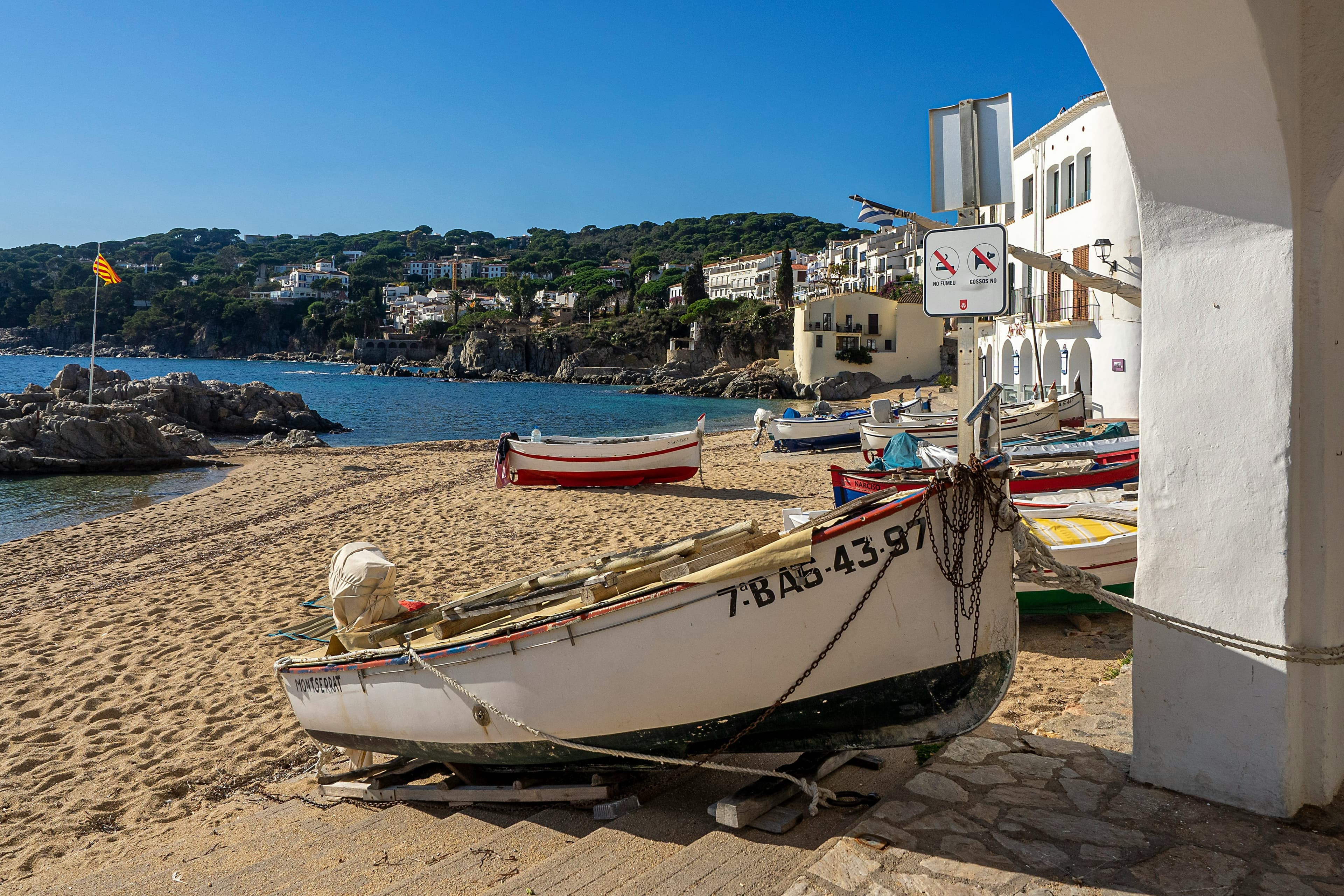
Fishing boats drawn up on the sand at Port Bo, with the Catalan flag flying and the white town of Calella in the distance
Port Bo, stage for the Cantada d'Havaneres on the first Saturday of July.

The Cap Roig gardens

South of town spreads one of the most spectacular botanical gardens on the Mediterranean. Over 800 plant species grow around Cap Roig castle, suspended above the cliffs.

Through summer it hosts the Cap Roig Festival, but if you're after quiet, it's worth visiting outside those dates.

The Camí de Ronda

Few towns let you walk beside the sea the way Calella does. Heading north, the coastal path connects in twenty minutes with Llafranc and Tamariu; heading south it leads to El Golfet, Cap Roig, and some of the wildest calas in the Baix Empordà. It's one of those routes that needs no planning at all — just follow the sea.
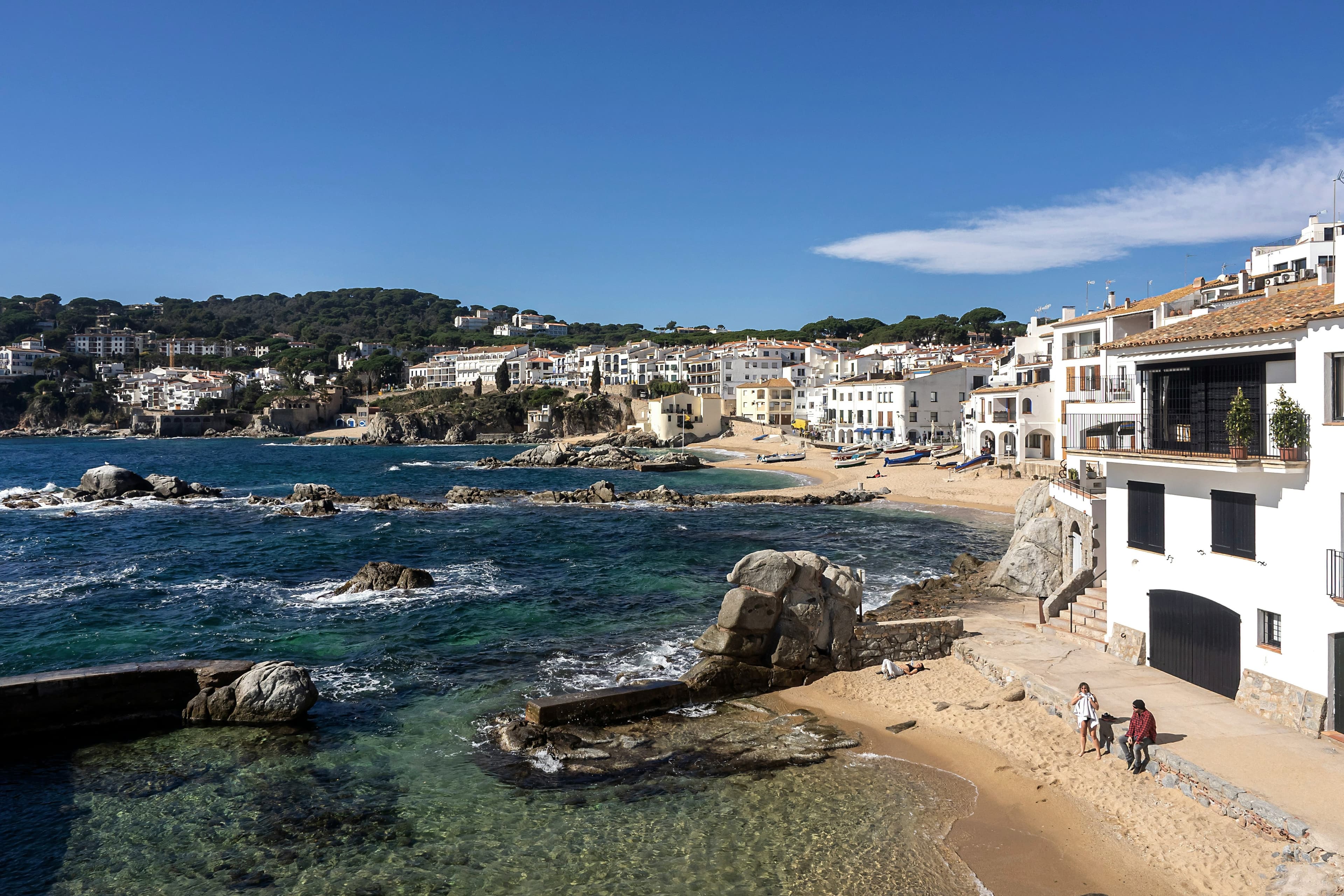
The coast of Calella de Palafrugell seen from the camí de ronda, turquoise water, rocks and white houses facing the sea
The Camí de Ronda linking Calella and Llafranc, tracing the sea.

The best beaches and calas

Port Bo takes all the photographs, but many locals prefer Canadell beach. It's quieter, keeps the town's fishing character intact, and at sunrise gives you one of the prettiest images in Calella: the boats still resting on the sand as the town starts to wake.

El Golfet is Calella's last great cala before Cap Roig. Ringed by reddish cliffs and Mediterranean pines, it holds on to a far wilder character than the beaches at the center, and it's also the starting point for continuing on foot toward the Roca del Crit or the Banyera de la Russa.

Corners that rarely make the guidebooks

Under many of the houses along the seafront, the old guardabotes still survive — small stone shelters where fishermen once kept their boats and nets. It's the kind of detail most visitors walk straight past, and it explains, better than anything else, what Calella looked like before it became a destination.

A few minutes' walk from Cap Roig hides one of the strangest spots on this stretch of coast. Officially called Cala d'en Massoni, it's better known locally as the Banyera de la Russa — the Russian's bathtub — after Dorothy Webster, one of the creators of the Cap Roig gardens, who used to come down here to swim. The water tends to be extraordinarily calm, and the surroundings stay far less crowded than the main beaches.

Keep following the Camí de Ronda past Cap Roig and you'll reach the Roca del Crit, a spot tied to an old pirate legend. The walk is worth as much as the destination: cliffs, pine woods, and some of the wildest views on this part of the Costa Brava.

Don't stop at Port Bo alone. Walk slowly along the stretch linking Canadell, Port d'en Calau, Port Bo and Port Pelegrí. It's only a few minutes on foot, but that's where the real Calella turns up: small steps running straight into the water, bougainvillea-covered façades, old fishermen's houses, corners where time seems to have simply stopped.
The Calella de Palafrugell notebook

Where we go

Calella gathers some of the best terraces on the Costa Brava. Here's our pick, town classics alongside more current addresses, for enjoying the place away from the midday crush of August.

Approximate positions · Calella de Palafrugell · Cartography © OpenStreetMap contributors, tiles by OpenFreeMap

Tap a pin or a place in the list to zoom in

Where to eat

  • An absolute classic, sitting literally on the sand at Canadell. Mediterranean cooking, fresh fish, and one of the most privileged terraces on the whole coast.

  • One of those tables many visitors stumble on by chance and then keep coming back to. Mediterranean cooking built on local produce, in a calm setting.

  • An elegant restaurant where fish, shellfish and seasonal cooking take the lead. Perfect for a long lunch or a special dinner.

  • Good for breakfast, a drink, or dinner facing the sea. Its terrace over Port Bo is one of the best places to watch the evening fall.

  • One of the more interesting additions of recent years. Contemporary Mediterranean cooking in a relaxed space right on the seafront.

Coves & swimming

  • Quieter than Port Bo, and still true to the town's fishing character. At sunrise, the boats still rest on the sand as Calella wakes up.

  • On the way to Cap Roig, at the foot of the gardens. Small, dark sand and rock, with a far wilder character than the beaches at the center.

What to do

  • La Cantada d'Havaneres

    First Saturday of July, in Port Bo. The event of the year — arrive with hours to spare.

    No fixed pin
  • 800 botanical species above the sea. Best outside the festival dates, if you're after quiet.

  • The Camí de Ronda to Llafranc and Tamariu

    The path that strings together Palafrugell's three coastal towns, tracing the sea the whole way.

    No fixed pin
  • A few minutes from Cap Roig. The old Cala d'en Massoni, named after one of the garden's creators, who used to swim here. Calm water, few people.

  • La Roca del Crit

    Past Cap Roig along the Camí de Ronda, a corner of pirate legend. The walk is worth as much as the destination.

    No fixed pin

Where to shop

  • Gelats Artesans

    The perfect end to any walk through Calella. Their handmade ice cream is a near-obligatory stop before sitting down to watch the last light over the sea.

    No fixed pin

Good to know

Frequently asked questions

What are les Voltes de Port Bo?

They're the characteristic white arcades built beside the beach to shelter boats and fishing gear. Today they're the most recognizable image of Calella de Palafrugell.

When is the Cantada d'Havaneres held?

The first Saturday of July. It's one of the most important cultural events on the Costa Brava, drawing thousands to the beach at Port Bo.

What shouldn't I miss near Calella?

Beyond the Cap Roig gardens, it's worth walking the Camí de Ronda to El Golfet, finding the Banyera de la Russa, and walking on to the Roca del Crit — one of the loveliest stretches of coast in the Baix Empordà.

What's the best time to visit Calella de Palafrugell?

Early morning or at dusk. That's when the town settles back into its own rhythm, and it's much easier to understand why it's still one of the most special places on the whole Costa Brava.

Other villages to discover

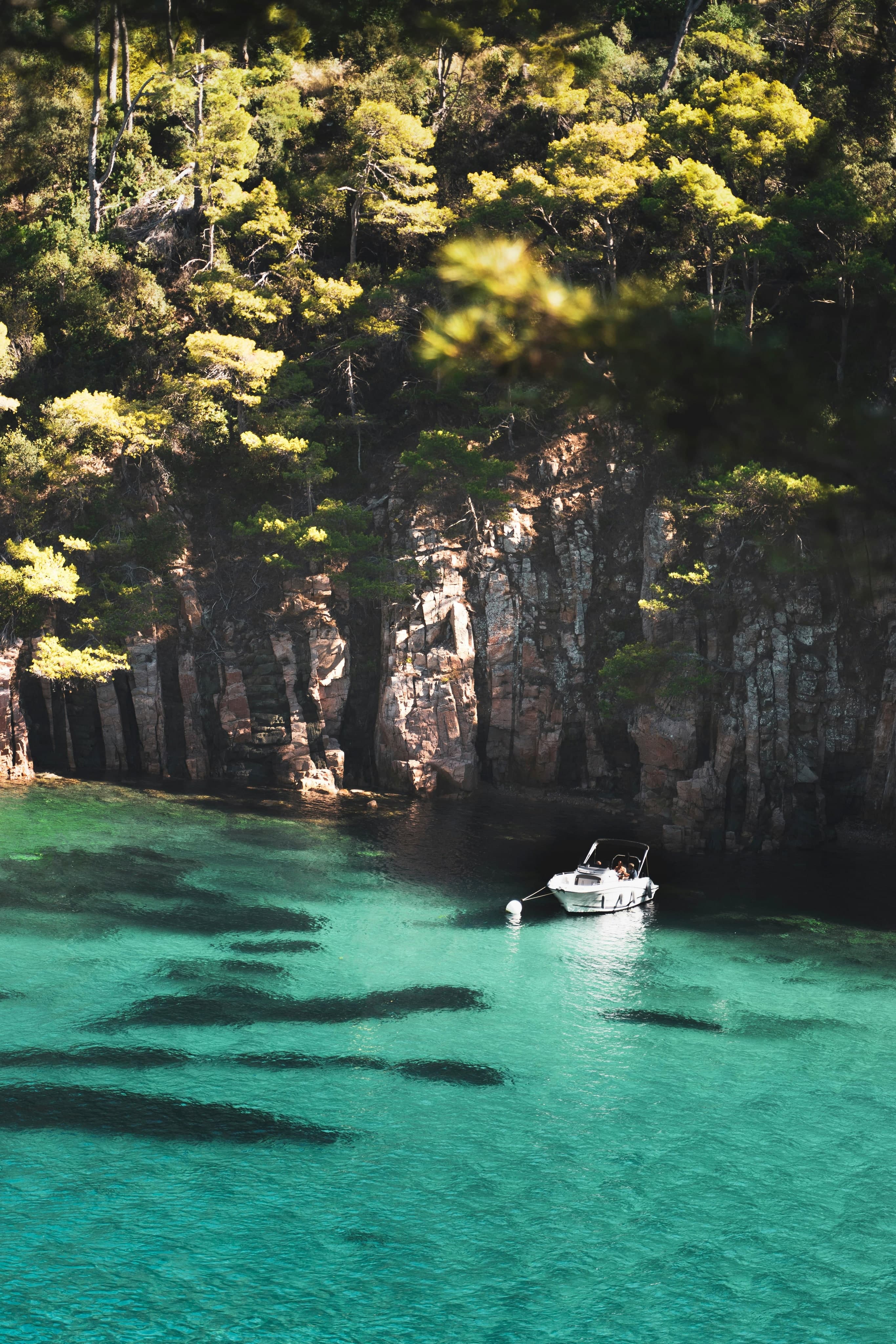
A turquoise-water cala in Begur, between reddish rock cliffs and pines, with a boat at anchor

Baix Empordà

Begur

Begur sits a little inland, and that one fact explains almost everything else. It isn't a town built beside the water but on a hill above it, with the Mediterranean laid out below: while other Costa Brava towns grew up around a harbor, Begur grew up around a castle, and the calas came later. So nobody here asks which is the beach — they ask which cala you're going down to today. Sa Tuna, Sa Riera, Aiguablava, Platja Fonda, Fornells, Aiguafreda, Illa Roja: a string of small bays linked by the Camí de Ronda, the coastal footpath, each with its own temperament. And behind all of them sits an old quarter of Indiano mansions, quiet squares and cobbled streets that remember something easy to forget now — before it became one of the most coveted places on the Costa Brava, Begur looked west toward Cuba more than east toward Barcelona.

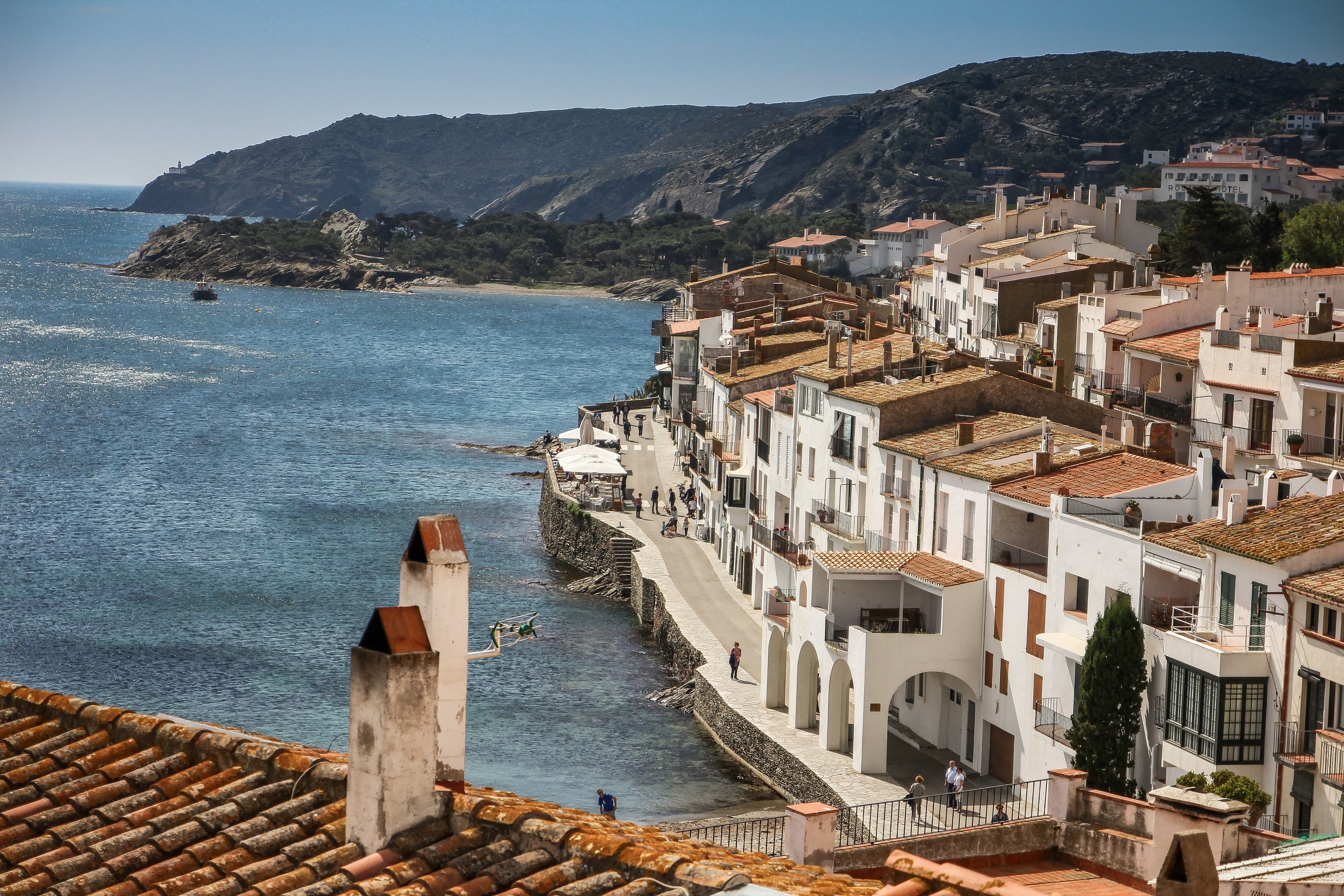
The seafront of Cadaqués beside the water, with the white houses and tiled roofs of the old town and the Cap de Creus coastline behind

Alt Empordà

Cadaqués

Cadaqués is the most photographed town on the Costa Brava, and the hardest to actually get to know. White houses, green shutters, boats drawn up facing the sea, the light that undid Dalí — it's all over every postcard, and none of it explains why people keep coming back. Maybe it has to do with the winding road that kept the town cut off from the rest of the Empordà for centuries, or with that light, which changes by the hour and makes the place feel like somewhere new each morning, noon and evening. You don't come here for wide sandy beaches or a promenade lined with shops. You come to walk slowly, to lose yourself in slate-paved streets, to watch the sea from the rocks, and to understand why this corner of the coast ended up gathering some of the twentieth century's most important artists.

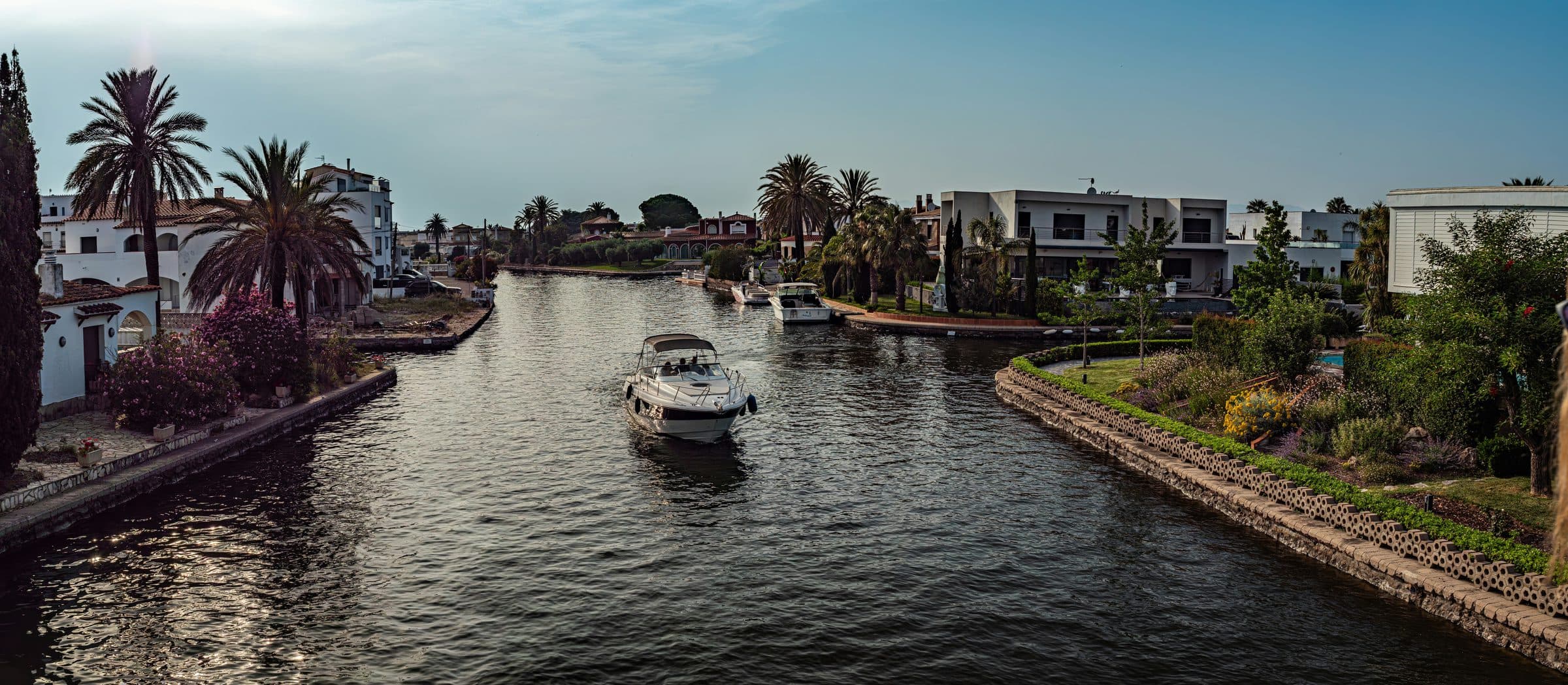
Navigable canals of Empuriabrava, Costa Brava

Alt Empordà

Empuriabrava

Empuriabrava doesn't look like anywhere else on the Costa Brava, and it isn't trying to. While every other town here grew slowly around a fishing harbor, this one started on a drawing board: in the late 1960s, the old marshland at the mouth of the Muga river was turned into a town built entirely around water, with more than 24 kilometers of navigable canals, thousands of private moorings, and the largest residential marina in Europe. It could easily read as artificial, but spend a day here and the appeal becomes obvious: where other towns park the car, this one moors the boat. And while one half of the town lives with its eyes on the canals, a few meters away begin the Aiguamolls de l'Empordà, a wetland landscape where flamingos, herons and storks take to the air. Engineering and nature rarely sit together this comfortably.