In this article▾
- Santa Clotilde Gardens — a Mediterranean Renaissance with endless views
- The Sant Pere del Bosc hermitage — Modernisme deep in the woods
- The Camí de Ronda: Lloret – Fenals – Cala Boadella — nature at its plainest
- Museu del Mar, Can Garriga — Lloret's seafaring memory
- Tossa de Mar — medieval walls and Mediterranean essence
Lloret de Mar is a great deal more than its reputation as a summer resort. Beneath its lively surface lies a stretch of coast full of natural beauty, seafaring history, and corners where the Mediterranean is still lived rather than performed. Here, among cliffs, pine woods and gardens looking out to sea, a slower, more genuine Costa Brava comes into view. If you want to discover this other side of Lloret and its surroundings, here's an essential selection: elegant grounds, coastal paths, museums full of memory, and a neighbouring town that looks like it stepped out of a film.
Santa Clotilde Gardens — a Mediterranean Renaissance with endless views
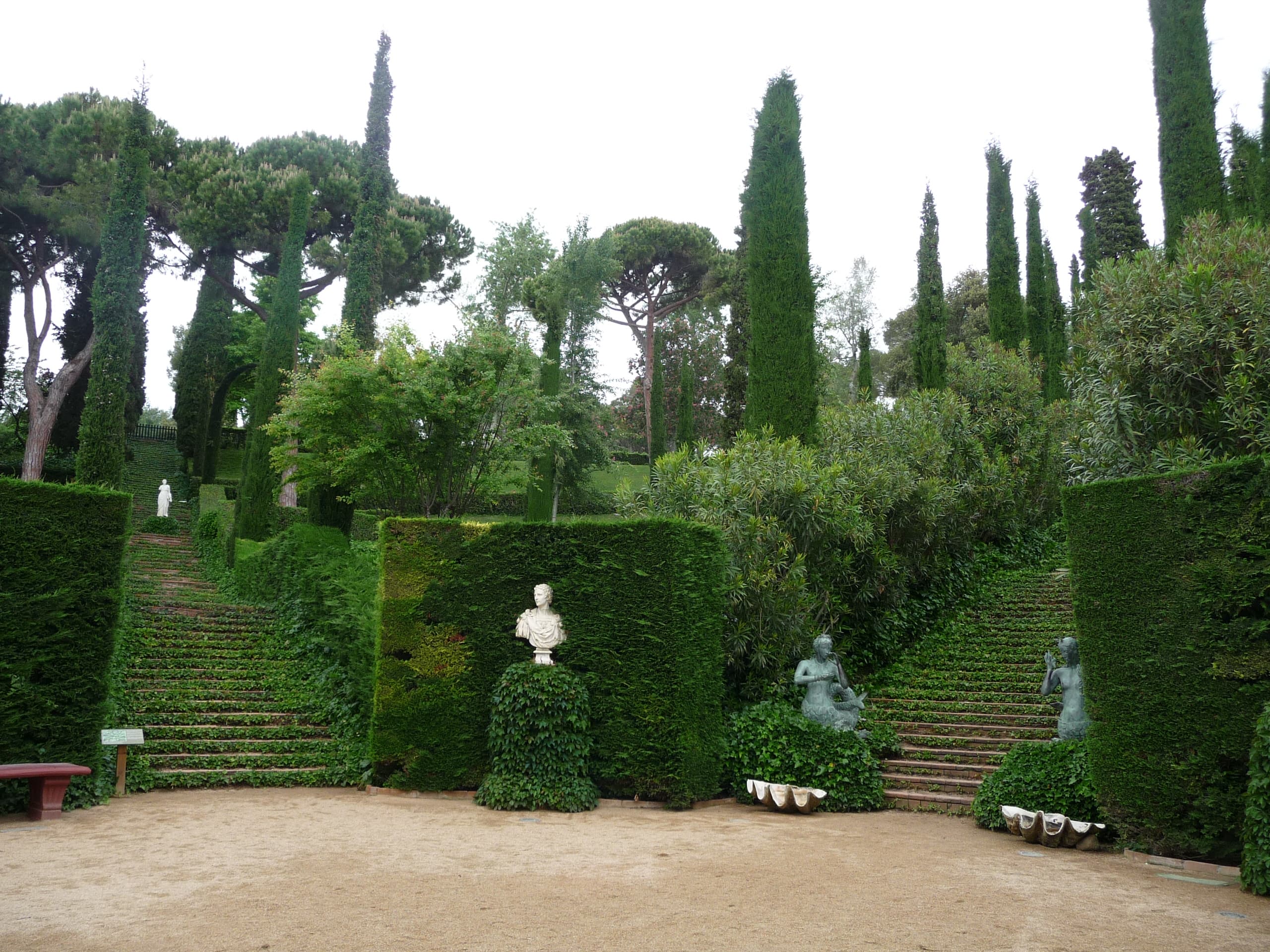
Set on a cliff above the bay, the Santa Clotilde Gardens are one of the most striking places in Lloret. Built in the early twentieth century and inspired by Italian Renaissance gardens, they combine geometric staircases, symmetrical terraces and classical sculpture with one element that changes everything: the Mediterranean spreading out at your feet.
Visitors tend to describe the same feeling: time slows down here. The breeze rises off the rocks, clipped hedges trace mazes of light and shadow, and every lookout offers a different postcard of the sea. The famous Staircase of the Sirens, the cypress-lined terraces and the smell of pine round out a place that mixes elegance and nature with a balance hard to find in other gardens along this coast.
One piece of advice: go at sunset. The golden light over the terraces and the deep blue of the sea make for an entirely memorable moment.
The Sant Pere del Bosc hermitage — Modernisme deep in the woods
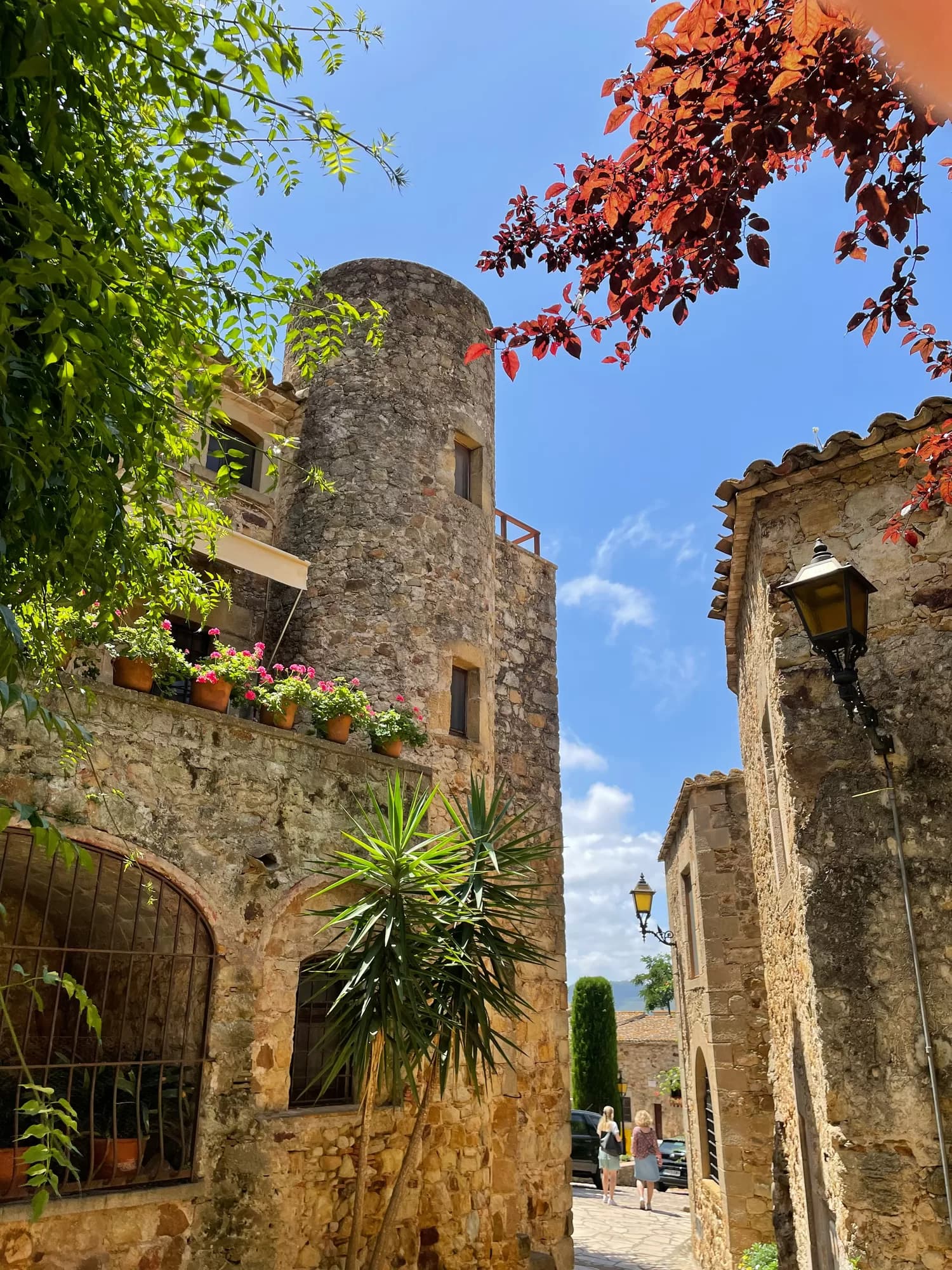
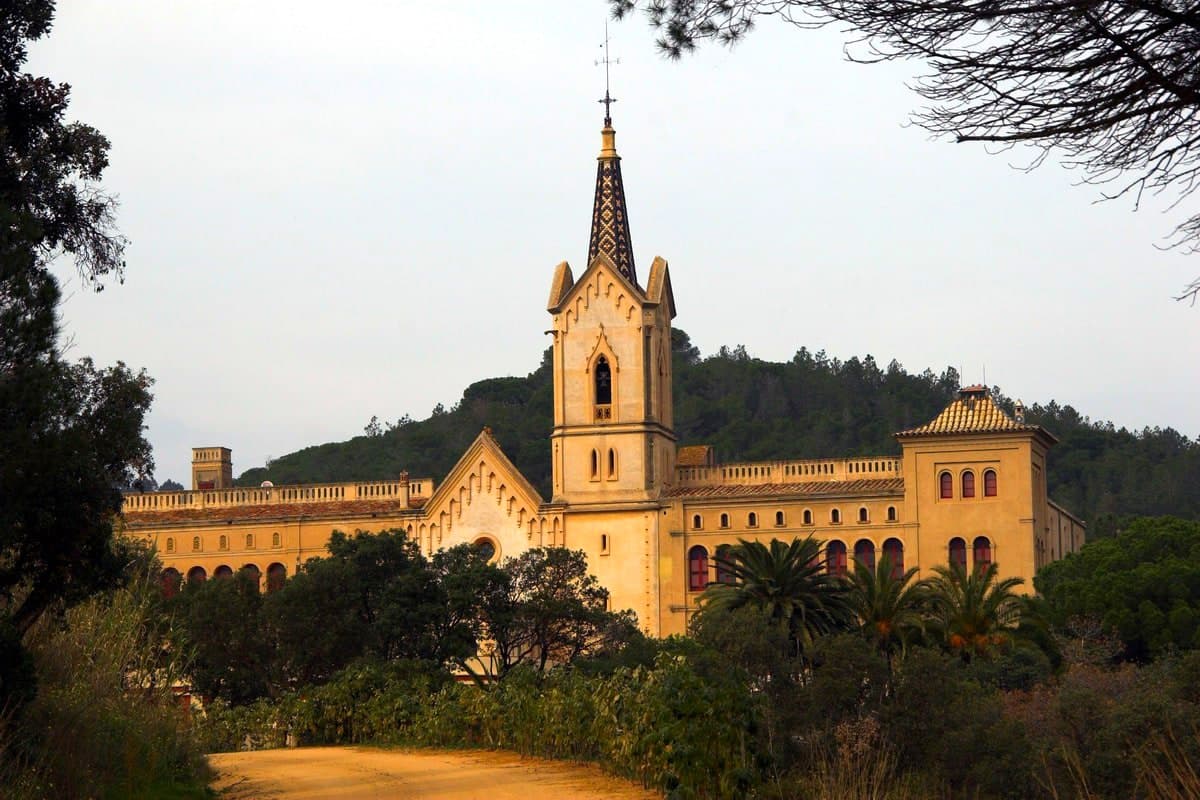
A short drive from the centre, at the heart of a pine and cork-oak forest, stands the Sant Pere del Bosc hermitage — a Modernista building that surprises simply by where it is. Many visitors say the walk there is already worth it: a gentle path through the trees, no noise, no traffic, just the smell of the forest the whole way.
The hermitage was restored in the late nineteenth century and keeps carefully preserved Modernista details. Visitors often call it the quietest place in all of Lloret — a good spot for a walk, a rest, or simply taking in the landscape without hurrying. Right beside it there's a small open square and a historic restaurant, ideal if you want to turn the visit into half a day of switching off entirely.
The Camí de Ronda: Lloret – Fenals – Cala Boadella — nature at its plainest
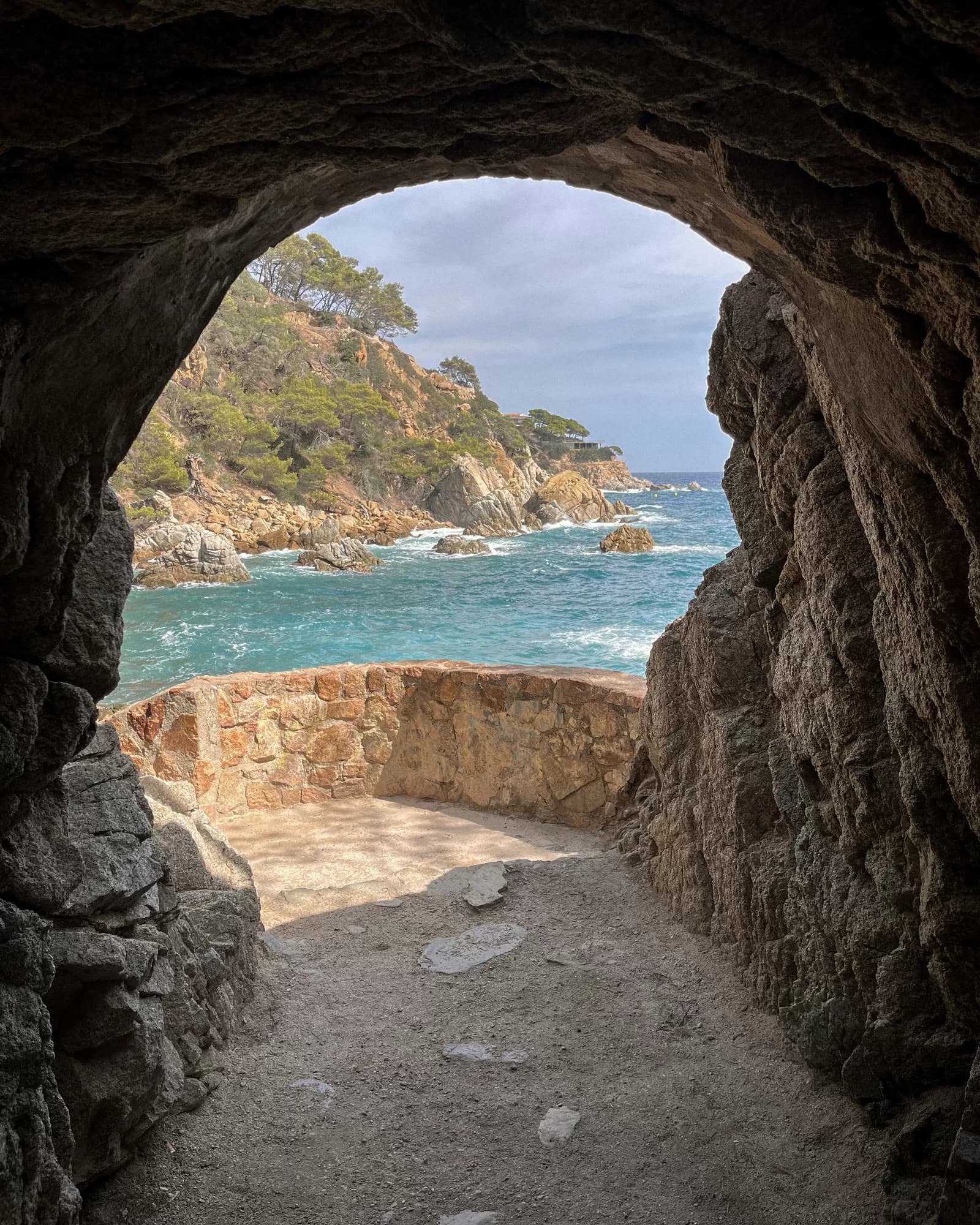
This stretch of the Camí de Ronda is one of the most highly rated on the Costa Brava. Everyone who walks it mentions the same things: easy, beautiful, full of hidden corners. It starts by the Castell d'en Plaja, skirts the cliffs, passes natural lookouts, and reaches Fenals beach, quieter than Lloret's own.
The stretch continuing on to Cala Boadella is especially loved by travellers after clean calas, Mediterranean woodland and a calmer mood. Boadella is small, ringed by vegetation, with very clear water. Plenty of people call it a postcard cala.
The path works well for families, couples, or walking it alone with the sea for company. The earlier you go, the more you'll get of the silence and the colour of the water.
Museu del Mar, Can Garriga — Lloret's seafaring memory
Before it became a tourist destination, Lloret was a town of sailors, fishermen and merchants who crossed the Atlantic. The Museu del Mar, housed in a former Indiano mansion on the seafront, lets you travel back to a time when the beaches were shipyards and families lived by the wind and the currents.
The exhibition shows ship models, navigation charts, stories of voyages to Cuba or Montevideo, and original pieces explaining how the sea shaped the town's life for centuries. It's a small museum, but well told — built to help you understand Lloret from the inside, to see the other story that often gets lost between sun and sand.
The best way to finish the visit is with a walk along the seafront. Once you know its past, the view feels different.
Tossa de Mar — medieval walls and Mediterranean essence
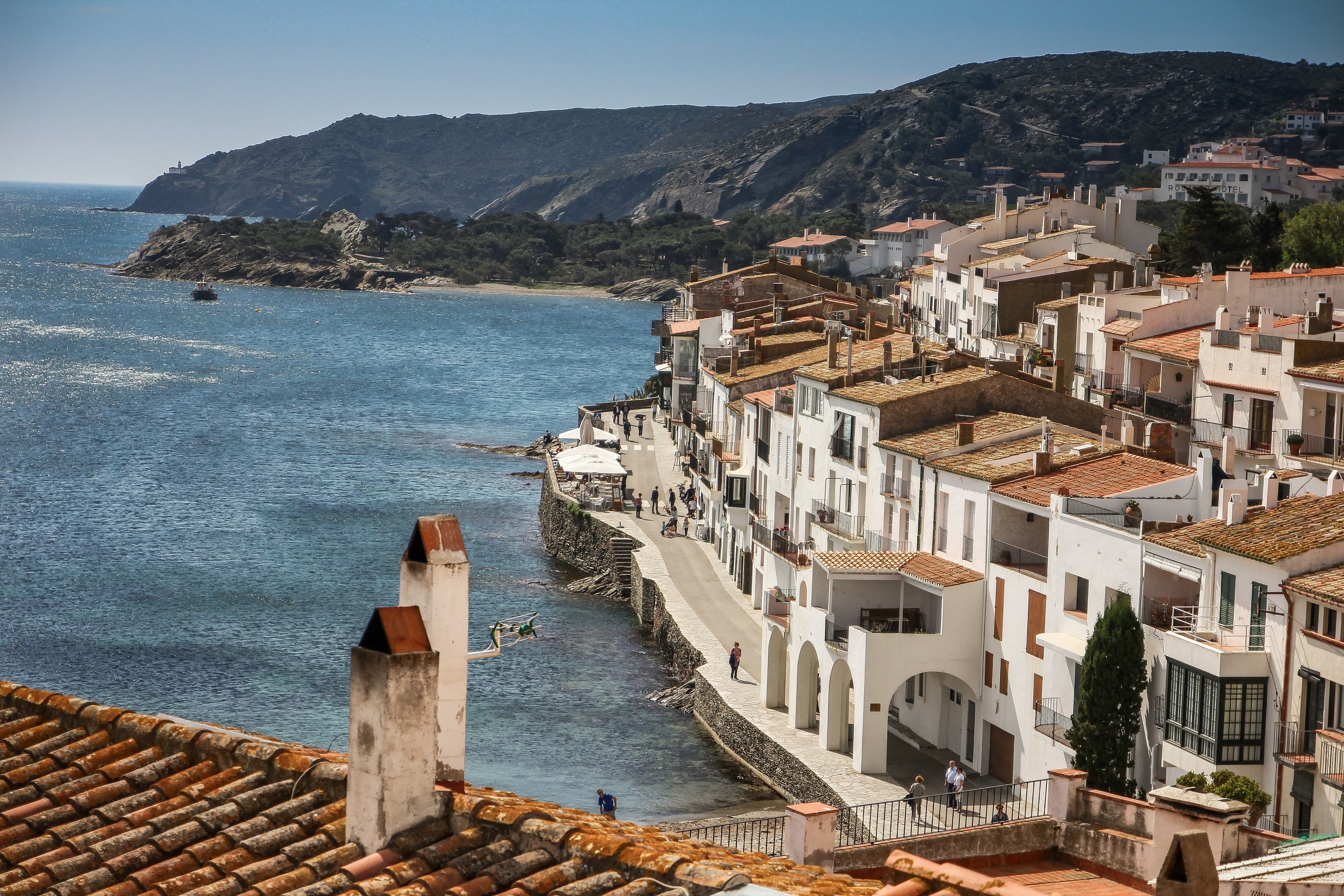
Just minutes from Lloret, Tossa de Mar is one of the most beautiful towns on the Costa Brava. Its walled old town, the Vila Vella, rises on a rocky headland that drops straight into the sea, forming one of the most iconic sights on the Catalan coast.
The walls went up between the twelfth and fourteenth centuries to defend the town from pirates, and they still stand almost intact today. Walking the cobbled streets, climbing the towers or looking out from one of its viewpoints feels like stepping into a medieval postcard. Many travellers call Tossa a town straight out of a film, and it's no exaggeration — it has served as the backdrop for films, novels and reportage for decades.
Frequently asked questions
Can I combine the Santa Clotilde Gardens with an afternoon swim at the cala next door?
Yes — the gardens sit right between Cala Boadella and Platja de Fenals, so it's entirely possible to enjoy the cliffside walk first and then head down for a swim. The best plan is to time the gardens for sunset and go down to the beach before dark, since reaching it involves a short walk.
Is it worth climbing up to the Sant Pere del Bosc sanctuary just for the architecture, without staying at the hotel there?
Yes. Part of the complex now operates as a hotel-restaurant, but the setting alone earns the visit: the old Benedictine monastery dates to the tenth century and sits in quiet woodland about 5 km from central Lloret. You can drive up or walk the Ruta de les Ermites, and stop for a coffee without booking a room.
How fit do I need to be, and what gear do I need, for the Camí de Ronda between Lloret and Cala Boadella?
The stretch is considered moderately easy and family-friendly: it has stairs and gentle slopes along the cliff edge, but no special gear is required. Most people walk it in comfortable shoes with water, no hiking pack. Even so, it's worth going early to avoid the heat and bringing sun protection.
Does the Museu del Mar in Lloret offer more than local history — is it worth it for children or a quick visit?
It does. It's a small museum, but with ship models, maritime objects and the story of local seafaring, it can interest adults and curious kids alike. Since it sits inside a former Indiano mansion on the seafront, you can easily pair it with a walk or an ice cream, turning the visit into a quick, easy outing for the whole family.
Can you visit the walled town of Tossa de Mar the same day as Lloret, and what time is best?
Yes. Tossa de Mar is about 15–20 minutes from Lloret by car and works well as a half-day trip. It's best to arrive in the morning, before 11am, to avoid crowds around the medieval walls and enjoy it at an easy pace. You can have lunch there and head back to Lloret for the afternoon — history, a walk and the view, all without rushing.